Microsoft has recently updated the timeline for retiring its popular free scanning app, Microsoft Lens. Support will end on February 9, when the app will also be removed from the mobile app stores. By March 9, Lens will stop working altogether. For users wondering what to do next, Microsoft recommends switching to OneDrive, which now integrates most of the Lens’ scanning features.
Good to know: learn how to stop forced app updates in the Microsoft Store.
Using OneDrive for Scanning Documents
One of the reasons many users flocked to Microsoft Lens is that it was a simple and intuitive solution that didn’t require creating or logging in with an account. You downloaded it and could immediately start scanning.
Well, to use the OneDrive app, you’ll need a Microsoft account. If you’re also a Windows user, that shouldn’t be a problem, as you most likely have one already. Speaking of which, the tech giant recently killed serveral Microsft account bypass tricks, although some still work.
Install OneDrive on your phone and log in with your account.
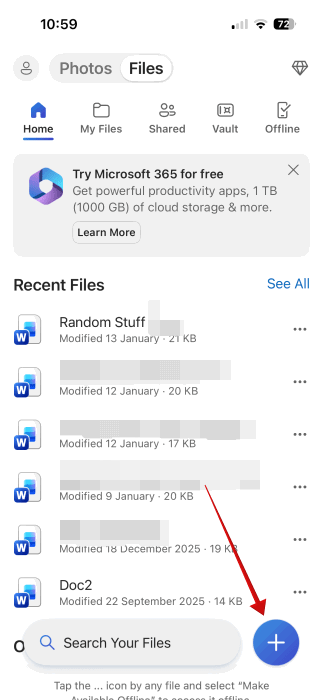
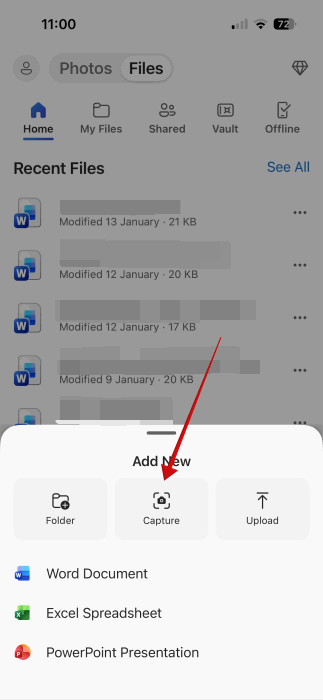
From the main interface, press the + button in the lower right corner. Press the Capture button.
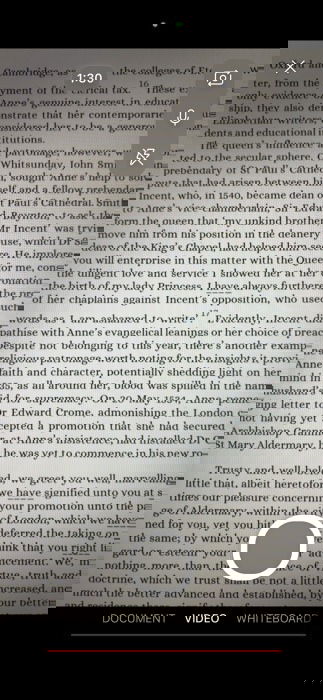
At the bottom, select what you are scanning, such as Document, Video, Whiteboard, Business Card, or Photo. Interestingly, these options are only available in the iOS app. On Android, tapping + will just open the scanning screen with no additional options offered.
Unfortunately, the Actions menu that made Lens so useful with its options to extract text, contact info, read text out loud, or scan a QR code is not available in OneDrive. At least for now.
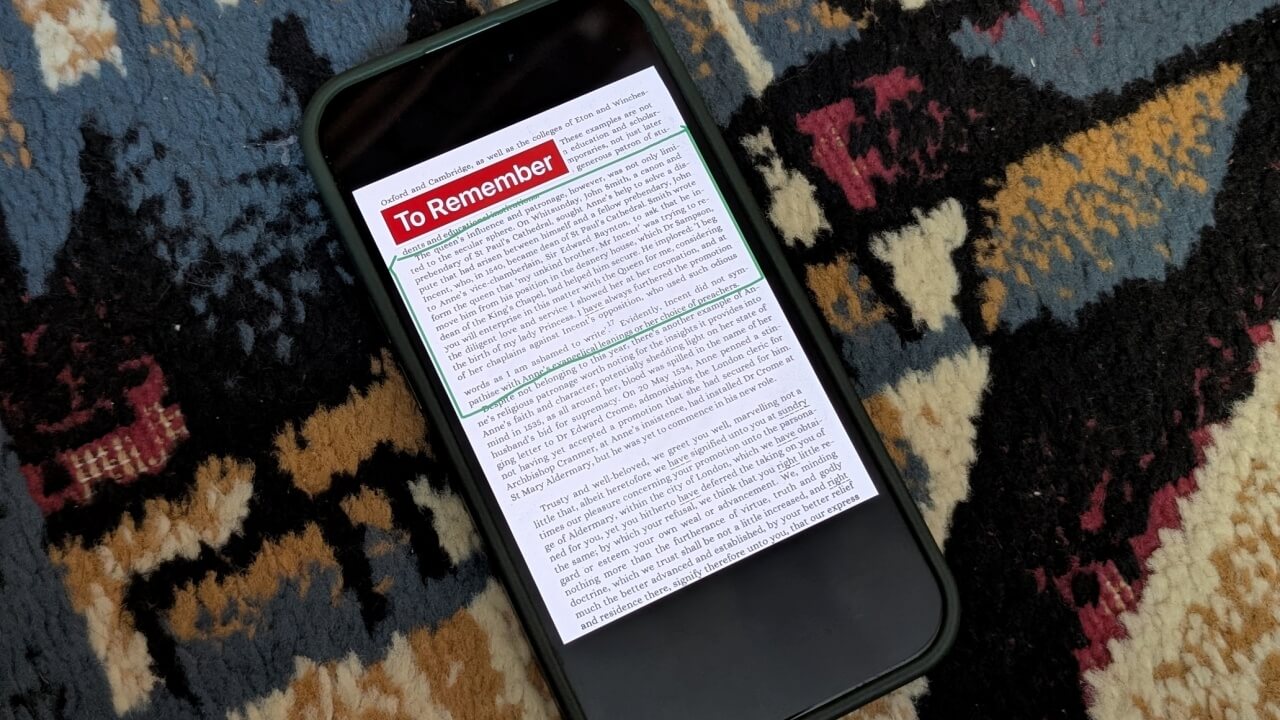
Once you’ve selected what you want to capture, position your phone over the text you want to scan and press the shutter button below.
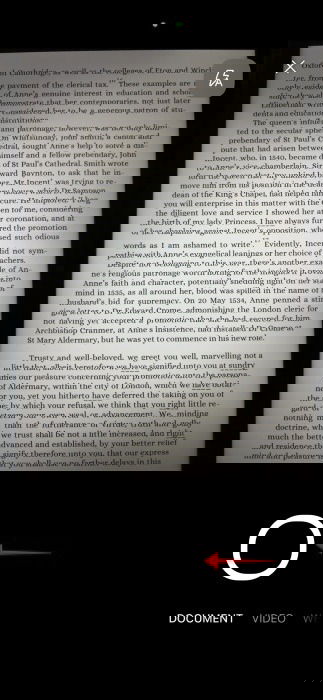
Crop the scan as needed, and rotate the image if necessary. Finally, press the Review and Edit button.
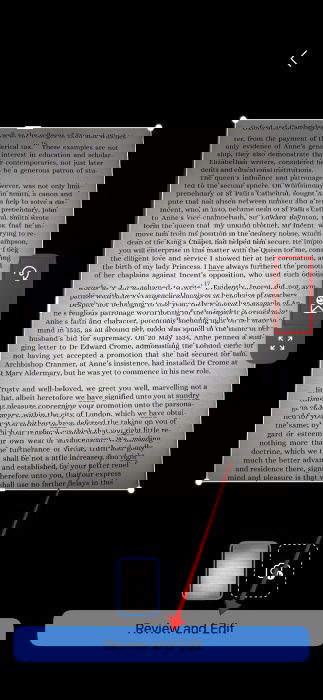
The editing menu here is exactly the same as in Microsoft Lens. You can further crop the image, add text, or doodle on the image using various colors.
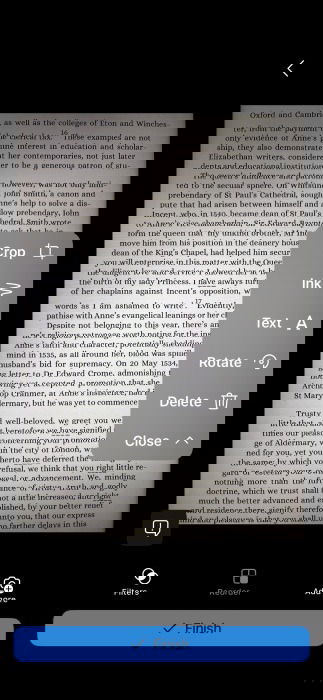
At the bottom, you can add filters to improve legibility or overall appearance.

Once you’re done, press Finish to save it at your desired location in OneDrive.
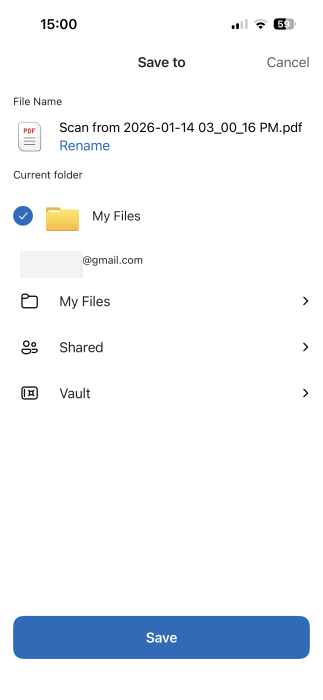
As a Windows user, I prefer using OneDrive because the app also gives me seamless access to all my documents and images from my PC. Syncing has been consistently reliable in my experience, making it easy to stay productive on my mobile device whenever I need it. Even better, scans made in the OneDrive app also appear on my PC, eliminating the need for any file transfers.
Tip: get up to speed on how to enable and install extensions on Microsoft Edge for mobile.
Alternatives for Microsoft Lens on Your Mobile Device
If, for whatever reason, you don’t like OneDrive, the good news is that there are plenty of worthy alternatives out there. If you’re an Android user, the easiest method is to use the Google Drive app (also available on iOS), which already comes pre-installed on many Android phones. This solution includes an AI-powered enhancement tool, along with a handy Clean option for improving scan quality even further.
Some Android phones like Samsung or Honor ones can scan documents natively from the camera app without needing to install an additional app, so you might also want to check first if your device supports this option. Honor’s solution, for example, can also extract text.
For more scanning apps for Android, check our post that highlights additional solutions for your needs.
If you’re on iOS, you can scan directly from the new Preview app in iOS 26, or the Files app. Previously, the option to scan documents was also embedded into the Files app, but it appears that Apple has removed it from there (at least, in iOS 26).
If you use OneDrive on a regular basis, not just for scanning, you might find it helpful to learn how to maximize your OneDrive storage.