

We already learned last fall that Windows was aiming to drop the need to remember passwords with Windows Hello, a biometrics-based technology. It makes it all just a little easier all around, instead of having to keep a separate list somewhere of all the different passwords and versions of passwords that you use.
Now reaching that point is even more of a reality as Windows Hello has received FIDO2 certification, allowing biometrics and PINs to be seen as secure authenticators.
Say Goodbye to Passwords
Microsoft knows how everyone feels about passwords, noting “no on likes passwords (except hackers).” Since the advent of the computer systems we all use, we’ve been forced to remember passwords – for computer systems, websites, apps, devices, etc.
“People don’t like passwords because we have to remember them,” explained Microsoft. “As a result, we often create passwords that are easy to guess — which makes them the first target for hackers trying to access your computer or network at work.”
The need for privacy meant passwords for everything. This heightened need led to different passwords for everything. Instead of just your birthday, anniversary, dog’s name, street name, etc., you were forced to remember more complex passwords or introduce a password manager.
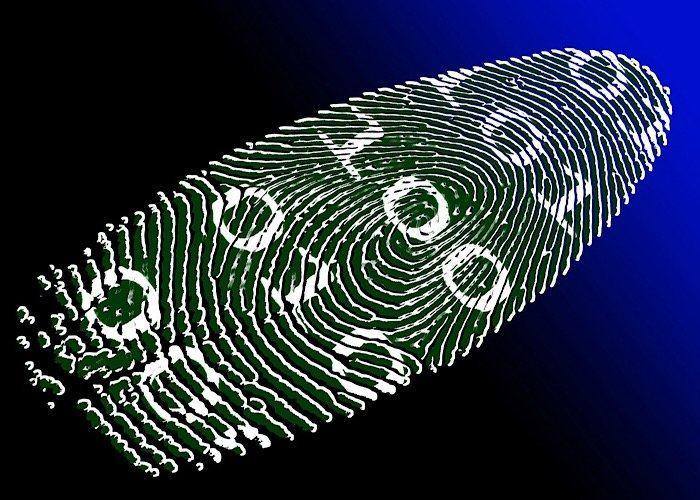
This is what brought the company to create Windows Hello last fall. This biometrics-based technology used FIDO which enabled Windows users to authenticate secure access with just a fingerprint or facial recognition.
Windows Hello has now received FIDO2 certification, which adds to the acceptable standards for authentication. This updated method now includes the use of PINs as well.
The FIDO Alliance explained in a press release that “FIDO2 is a set of standards that enables easy and secure logins to websites and applications via biometrics, mobile devices, and/or FIDO Security Keys. FIDO2’s simpler login experiences are backed by strong cryptographic security that is far superior to passwords, protecting users from phishing, all forms of password theft, and replay attacks.”
Sure, you can’t eliminate the need for passwords, as they’re still in use, but you won’t be forced to remember them. Windows Hello and FIDO2 allow you to either rely on biometrics such as your fingerprint or facial recognition or a single PIN.
Integrating Windows Hello and FIDO2
You can take advantage of Windows Hello with FIDO2 by upgrading your Windows 10 to version 1903. Microsoft Edge, Google Chrome, and Mozilla Firefox will support the biometrics and PINs. Other Microsoft products – such as Office 365, Skype, and Xbox Live – can also authenticate with Windows Hello.
Will you upgrade to Windows 10 to take advantage of Windows Hello and FIDO2 technology? Leave a comment below and let us know.