


It seems like everyone has heard of Slack, a team communication tool that can be used across multiple platforms to stay in the loop. It has revolutionised the way users discuss and plan projects, and it’s a clear upgrade to emails.
I work in small writing teams, and I’ve never had a problem with communicating with others on my phone or computer while using it. If you want to keep up to date with team of any size, it’s a great way to stay in the loop.
So, why are we here? Ryver is supposed to be the next big thing, offering an upgraded service in comparison to Slack. It’s completely free, and they’re pushing for a larger share of the market.
Is it good enough to be a Slack-Killer? What are the differences between two similar sounding services?
Read on to find out more.
Why Ryver?
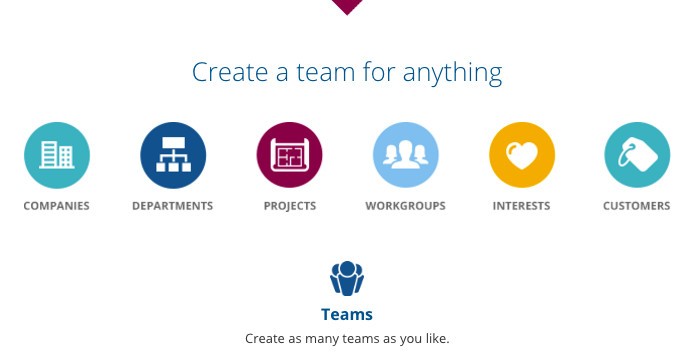
Why mess with something that works? The developers at Ryver are well aware of Slack, and they’re hoping their improved service will be enough to make you switch over. They promise a completely free team-communication service with no hidden charges along the way.
Thankfully, they deliver on their main aim with a high quality product.
Extra content is the name of the game, and they promise to remove some of the limits you’ll find on a free account with Slack. Unlimited data storage is a major plus point, and it’s also more open in a number of ways. If storage limits are an issue for you, you have to check out Ryver.
It’s a simple system to use, as it was built so that all functions are always one click away. It’s a mantra used to great success by Apple, and there aren’t many growing pains when you first get started.
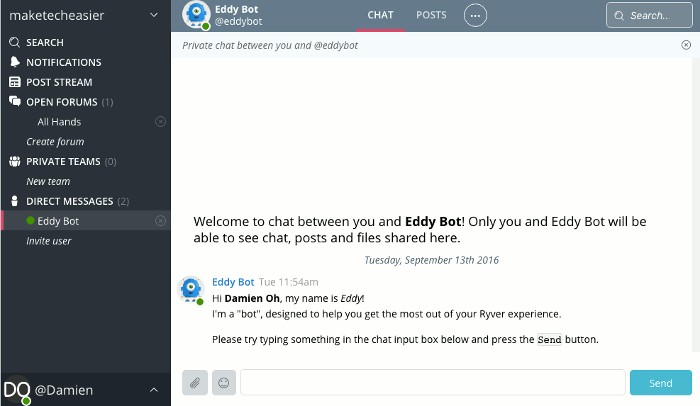
Conversations are split between personal chats and public posts, and it means there’s a clear line between team platforms and personal use. It should help to avoid broadcasting any embarrassing announcements to your colleagues, and I’ve seen a few during my time as a Slack user.
Integration with a number of existing apps is supported, and there are native applications for most platforms.
You can add guests when needed at no additional cost, and it’s useful if you deal with external clients regularly. Guests can add more guests, so there’s an element of fluidity that isn’t seen with the more popular option.
Think of Ryver as a completely different service that will cater to different needs. If you need to deal with numerous clients on the same account, it’s worth trying out.
The question is how is it free? The quick answer is premium users will be paying your way. Like Spotify and other services, there’s a minority paying for the rest of us. Here’s a direct link to their download page if you’re interested in giving it a go.
Should You Switch to Ryver?

Slack is great as long as you stick to smaller teams like I do, but Ryver has a lot to offer. The idea of a completely free team messaging program is noble, and it works perfectly.
There’s nothing wrong with using both, so make sure to try out the competition if you’re not willing to pay for a premium Slack account. You might find that both are better in different situations, depending on what you need.
Above all, Ryver is a great free alternative, and it’s more than just a Slack clone. They have a clear idea of what they’re trying to achieve, and they have a decent product that offers something different in a crowded marketplace.
However, there’s a chance that it will disappear if there’s a sustained lack of funding in the future. It could leave your teams and discussions in disarray. Everything is fine for now, but be careful if you plan to export a larger business over to the new upstart.
If you’re tired of Slack’s limitations on a free account, you’ll be impressed by what Ryver has to offer. To learn more, check out their website for information about the service.