

Have you heard of the phrase “zero-day virus” before? It’s a terminology that comes up in the world of computer security and antivirus solutions. The concept of a virus is so commonplace that it’s understandable by itself, but what makes a virus “zero-day,” and what does it mean for you and trying to stay secure while browsing the Internet?
What Does “Zero-Day” Mean?

First of all, it’s good to know that the phrase “zero-day” doesn’t relate only to viruses. There are such things as zero-day attacks and zero-day exploits. “Zero-day” describes a concept of a successful attack on a system’s security before the developers of said security know about it. This makes zero-day attacks deadly, as sometimes developers may not even realise they’re under attack until after the damage is done.
This is where the name comes from; the attacks occur on “Day 0” of the developer’s knowledge of the vulnerability. Even after the developers realise the security hole exists, it may take some time for them to build and deploy a patch to fix it, during which the exploit will be vulnerable to attacks.
What Does “Zero-Day” Mean for Viruses?

The Problem
So if “zero-day” means that a vulnerability is exploited and used before the developers realise it’s there, what does this mean for viruses? Who are zero-day viruses trying to sneak past?
For a virus to be worth distributing, it has to be able to successfully deploy on other people’s computers. In the early days of the Internet, viruses could spread like wildfire and do serious damage to the point where some of them have become infamous examples of what viruses can do. Of course, users now know how dangerous viruses can be and often have antivirus software installed. Not only that, but free antiviruses have become very competent at their jobs, allowing more people to be properly protected than ever before. This makes it a lot harder for a virus to do damage.
The Solution
The key to infecting a PC with a virus, therefore, is to sneak under the antivirus. To do this, it exploits the fact that antiviruses won’t know what it is. For antiviruses to accurately identify which programs are safe and which are malicious, it needs to use virus definitions given to it by its developer. The antivirus then uses these definitions to identify and eliminate threats. Of course, if a virus lands on a computer and its antivirus doesn’t have a definition for it, it might slip by unnoticed.
This is how a zero-day virus operates. Being a new virus, antivirus software have a definition. This means they can get onto PCs and avoid detection, allowing them to do damage. Meanwhile, the antivirus developers won’t realise this virus is making the rounds. Once it starts making an impact, the antivirus developers will catch on and study how the virus works. Once identified, they can then develop a definition for the virus and send it out to their users in an antivirus update, stopping the virus in its tracks. This means that zero-day viruses typically have a very short lifespan, so virus developers will want their program to hit as hard and fast as possible before their virus gets shut down.
How Can I Stay Safe?
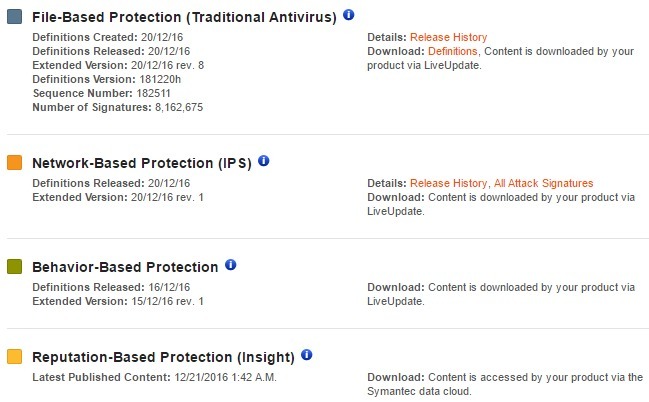
The idea of a virus that your antivirus can’t detect may seem scary, but you shouldn’t be too worried! As usual, the best antivirus is cautious and intelligent web browsing. Don’t download any suspicious files or click any strange links, and you should be safe.
Also, make sure that your antivirus has up-to-date definitions. Viruses are identified and documented on a daily basis so computers everywhere can defend themselves against these threats. Make sure your antivirus is grabbing these new definitions and keeping itself on top of the viruses out there. If your antivirus is powerful, it will use methods other than just virus definitions to detect viruses. This means that even zero-day viruses will find it hard to sneak past, which makes them very valuable!
Conclusion
With antivirus solutions becoming commonplace, virus developers have to make their programs hit hard and fast before antivirus developers distribute a definition for it. While initially quite scary, you can stay safe with some vigilant web-surfing and keeping your antivirus up to date. Now you know what a zero-day virus is, why they’re dangerous, and how to keep yourself safe.
Have you ever gotten a virus, despite running antivirus software in the background? Let us know below.