


When Huawei announced its P30 and P30 Pro models, the latest of its photography-focused series of phones, the time-of-flight camera carried the day. You’ve probably noticed this bit of hardware on more smartphones recently, and the trend isn’t about to stop there any time soon.
But what is a time-of-flight camera, and how does it work?
Also read: Does a Phone’s Multiple-Lenses Camera Take Better Photos?
What Is a Time-of-flight Camera?
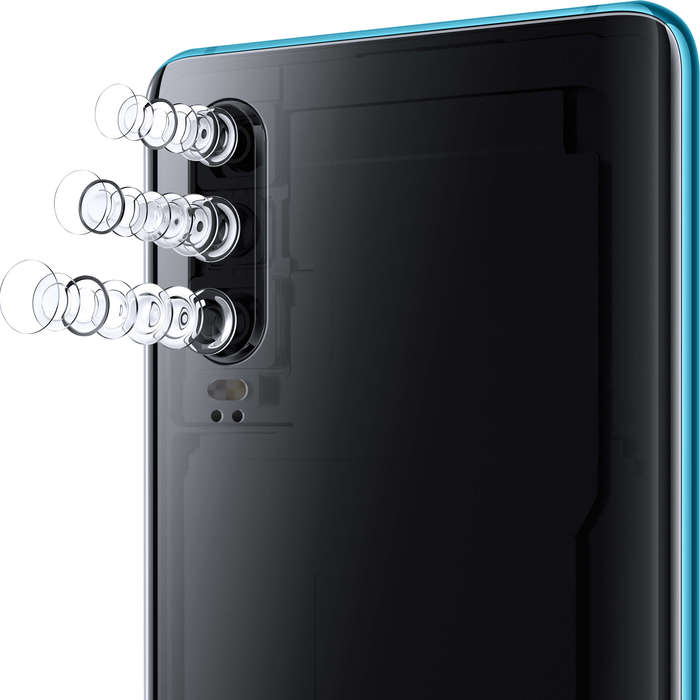
A Time-of-flight (ToF) camera is a standard feature appearing on several recently released smartphones.
ToF cameras use the speed of light instead of sound to detect things and measure distances, ultimately creating sharper photos.
They also measure the depth in a scene and help navigate around obstacles while mapping the surroundings and creating basic 3D representations of the objects or anything else in front of them.
Besides their use on smartphones, ToF cameras (or depth cameras) can be used for gesture recognition, subject identification, and security applications among other uses. They’re also becoming increasingly common on drones and industrial robots.
They are also critical in augmented and virtual reality applications like gaming.
How Time-of-flight Cameras Work
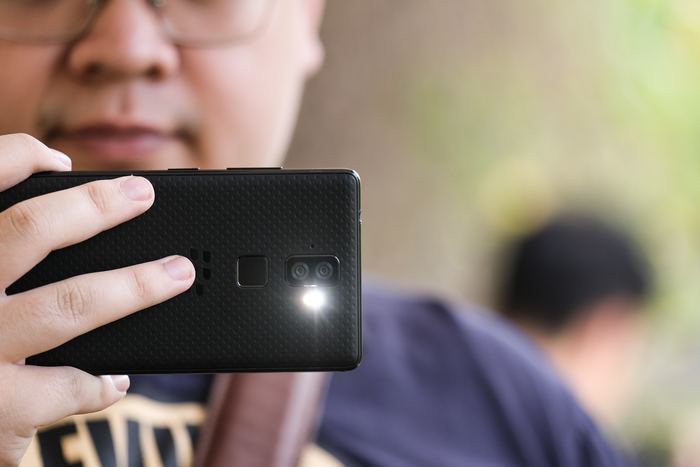
ToF cameras aren’t new.
The technology has been around for some time, though the processing speeds needed slowed down the time taken to bring depth-sensing technology to every day devices. But they’re still cutting-edge and quickly becoming more affordable, efficient, and accessible.
Through its imaging sensor, a ToF camera works by shooting out a pulse of infra-red light rays into the scene, which bounce off the object and return to the camera.
The camera then measures the distance to each pixel in its range through photosites on the CCD sensor. The scene is captured and measured, creating a 3D “map” of the space, so there aren’t any moving parts.
All this takes place in less than the blink of an eye as light travels 300,000km per second, so it gets all the information it needs in mere nanoseconds. In short, everything must work very fast, at the speed of light.
Also read: How to Shoot Amazing Photos on Android with Manual Camera Controls
ToF Cameras on Phones
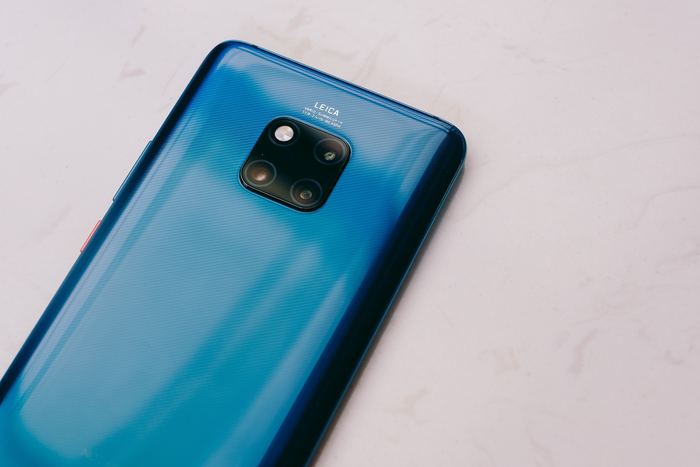
Current ToF cameras are available on the latest generation of phones like Samsung Galaxy S10 5G, Huawei P30 Pro, Oppo RX17 Pro, and LG G8 ThinQ.
These mobile phones don’t just have one camera. Several front cameras are available with a minimum of two and up to six different lenses, each with their sensors.
However, one of these extra front cameras are increasingly going to be a ToF sensor, which give extra features and depth information. This is useful especially for gesture recognition or defocusing backgrounds to give the bokeh blur effect.
Ideally, ToF cameras will allow users more control over the display of subjects in photographs. You can also use them to measure distance, height, and width especially in augmented reality applications.
For now, these cameras are limited to these applications. But it’s a good time to acquaint yourself with the technology as they’ll be everywhere eventually.
Have you used ToF technology before? Or does your smartphone have a ToF camera? Share your experience in a comment below.