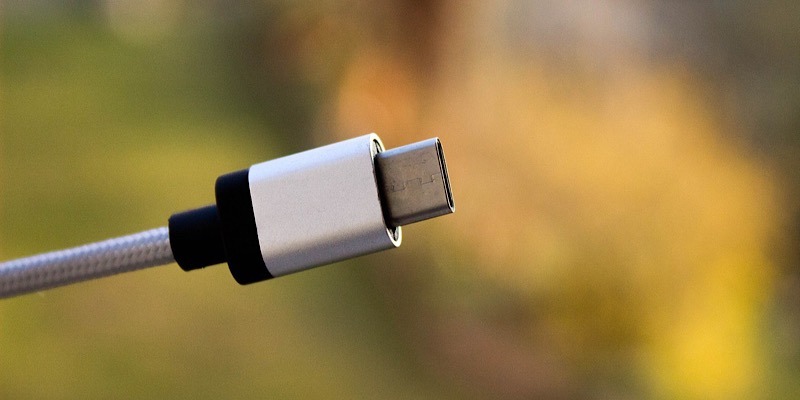
There isn’t any tech user among us that doesn’t get frustrated with every new cable that’s introduced. USB was supposed to make the whole thing universal between platforms, but it just seems to keep with the complication. USB 4 will pick up some specifications of Thunderbolt 3, increasing the confusion. But the good news is one specification it will pick up is speed.
USB 4 and Thunderbolt 3
The USB Implementers Forum (USB-IF) announced that they will be releasing USB 4 at a later point this year. It’s expected that the maximum speed will be increased to 40 Gbps. That’s quite an improvement over the 20Gbps that is currently being offered with USB 3.2.
The reason it will be picking up this speed is because it will be implementing the Thunderbolt 3 specification that was first introduced on devices in 2015. Two years later Intel announced it was making the technology available to other chipmakers. USB IF is now picking up that technology and putting it in USB 4.
This means USB 4 will be able to deliver up to 100W of power, giving devices enough data throughput to use external graphics and power two 4K displays or a single 5K display, according to The Verge.
Of course, you’ll have to use cables that will support that 40 Gbps speed, but because it’s employing the Thunderbolt 3 specifications, it means you’ll be able to use any existing Thunderbolt 3 cables you may have if you buy a device with USB 4.
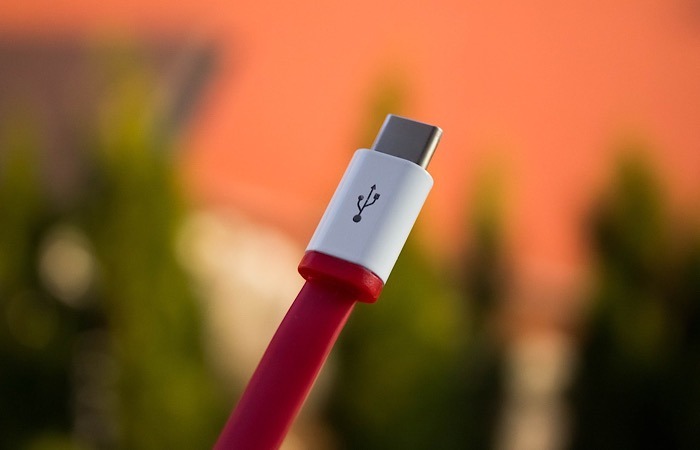
USB-IF is hoping that USB 4 will simplify everything with the USB technology. Currently your USB device only works to the standards of the USB port that is built in. What USB-IF plans to do, though, is offer a list of features each USB 4 device needs to include to standardize it. However, USB is still an open standard, so they operate voluntarily.
There will be no requirement for how the ports or the cables are labeled. USB has used different colored ports to show which version they support, but USB-C ports do not do the same, and USB 4 will only connect to USB-C.
This does not mean that Thunderbolt 3 is going by the wayside. Intel still requires manufacturers to be certified to use the technology. USB 4 does have some the same specifications, but Intel offers more with Thunderbolt 3 than what USB 4 is using.
The Arrival of USB 4
The USB 4 specifications will be published later this year, but USB-IF believes it will be another year-and-a-half before manufacturers release any hardware to support it.
It’s fantastic that USB 4 ill have the same type of speed as Thunderbolt 3, but really they need to have a naming convention that is a little easier to keep up with. Other than its speed, the name “Thunderbolt” makes us know what it is. You can’t say the same thing for USB.
What do you think of USB 4? Are you excited about the faster Thunderbolt 3 speed? What about all the different USBs? Do they get confusing for you? Let us know how you feel about all of it in the comments section below.