


In the world of smart home and other Internet of Things, it seems the Internet is behind helping us do everything, so why not use it to help us cast votes?
For the first time, the United States has opened up the voting process to smartphones for people with disabilities in some areas using blockchain technology. Advocates see this as a way to increase access to voting, while others have security concerns.
Smartphone Voting
The mobile voting system is through a collaboration between tech company Voatz, the nonprofit Tusk Philanthropies, and the National Cybersecurity Center. It was previously used for some military and overseas voting when it was being tested in West Virginia, Denver, and Utah County, Utah.
This year Utah County expanded that program to also include voters with disabilities in its municipal general election as well, while two counties in Oregon are bringing the system to the military and overseas voters.
The startup consultant and philanthropist who is the financial backer, Bradley Tusk, said the idea is to increase voter turnout. “We can’t take on every interest group in Washington around the country and beat them, but I think what we can do is let the genie out of the bottle,” he explained.
Tusk also developed the Uber strategy of having loyal customers advocate for the company and now wants to do the same with mobile voting. He has no financial stake and isn’t committed to a certain technology but believes mobile voting can work. He believes if he can convince voters that they want to cast ballots on their smartphones, it will pressure officials to go along with it.
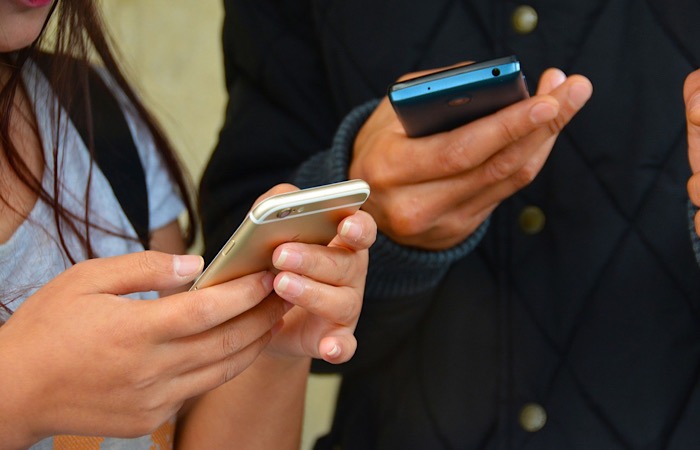
The pilot programs so far haven’t included a large number of voters, yet election officials have decided the efforts were successful and have gotten good feedback.
“The audit that we did on the votes that were cast in our primary came back very clean. So that gave me some more confidence in the system,” said Utah county clerk/auditor Amelia Powers Gardner.
But with foreign interference in U.S. elections in 2016 such a big story and evidence showing there will be even more interference in 2020, electronic voting methods come with big question marks.
Paper ballots are being seen as the more secure method of voting. “States should resist pushes for online voting,” said a report by the Senate Intelligence Committee. While they recognize that ensuring access for everyone is important, “no system of online voting has yet established itself as secure.”
Future of Voting
Sometimes it’s difficult to stop the advancements in technology, though. And even though paper ballots are being romanticized by the Senate Intelligence Community, they’re forgetting the “hanging chad” controversy that caused great a great disturbance.
In truth, no voting system is perfect, and while online voting would be very convenient, it’s still hard to ignore the possibilities of increased election interference.
Do you think it’s best to leave smartphone voting with people who are not able to leave the home, in the military, and overseas? Or do you think it’s something that deserves to be developed more? Leave your thoughts in the comments below.