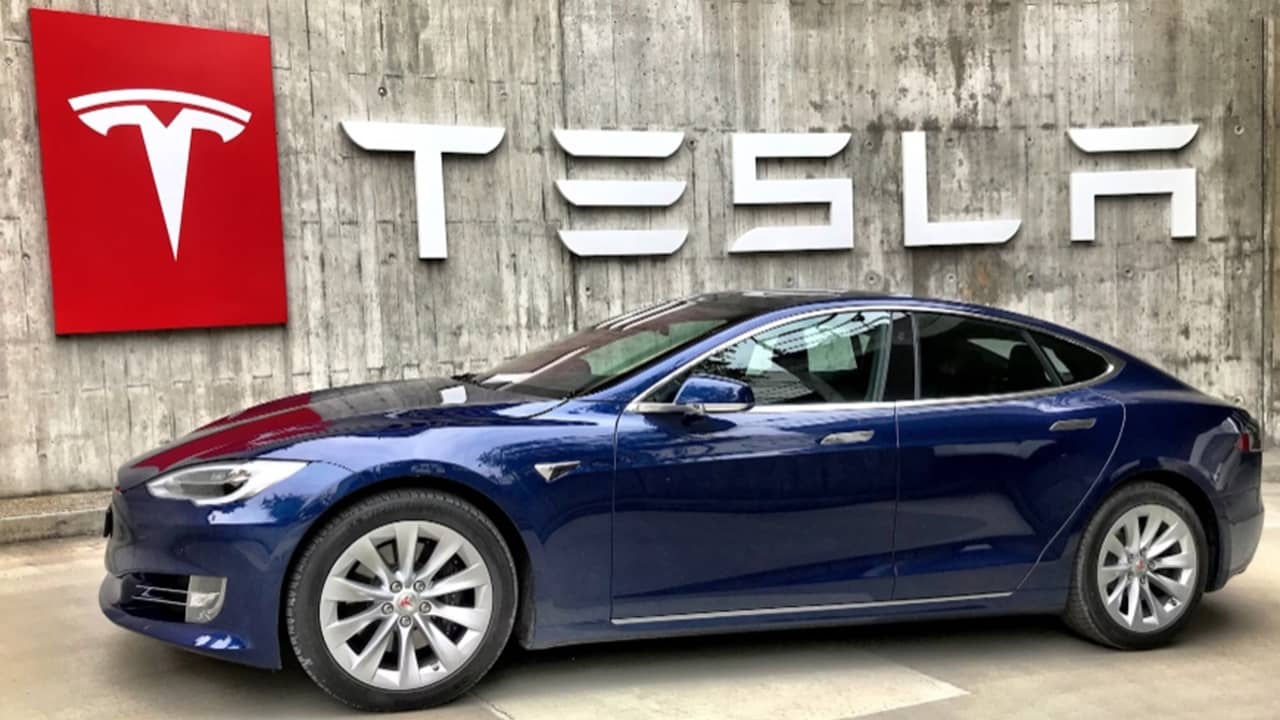
Imagine hailing a cab and not seeing a driver behind the wheel, ready to rush you to your destination. If Elon Musk has his way, Tesla robotaxis could be picking up riders as soon as this summer. And yes, they’ll be completely driverless.
Austin, Texas, The First to Have FSDs
Full self-driving (FSD) vehicles are coming to Austin, Texas, this summer, according to Elon Musk. On an earnings call, Musk announced a tentative start for his robotaxi service. This will be limited to Tesla’s fleet and won’t include any customer cars, though using your own Tesla as an autonomous Lyft or Uber could happen in the future.
Much like standard taxis, you’ll request a ride, and the Tesla robotaxi will arrive. But there’s one major difference: these taxis will be fully autonomous, with no supervising driver.
If you’re a Tesla fan, you’ve likely been following the news closely every time Musk promises the future of fully autonomous FSDs is near. Of course, each time he gets everyone excited, something happens, and the timeline gets pushed further back. Now it’s just months away.
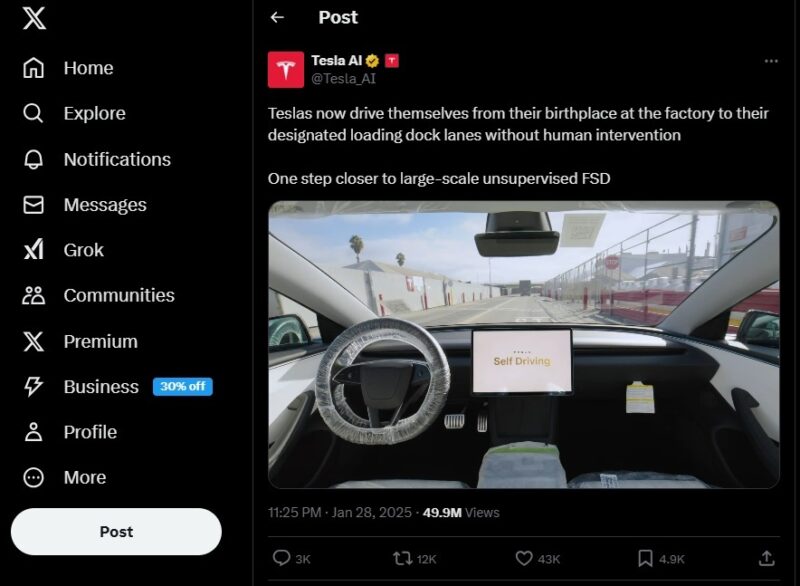
On Tuesday (January 28th), Tesla AI posted an update on X showing Teslas driving themselves from the factory to dock lanes. This helps showcase how well the cars are performing with no supervision. This is also an area without any human traffic, making it far more predictable for the vehicles.
If all goes as planned, Musk wants to not only start a paid ridehailing service in Texas, but also in California. Even though much of the testing has been done in the Bay Area of California, the state hasn’t allowed any company to move forward with fully autonomous commercial vehicles. Musk would need to get regulatory approval before launching a service there.
Plans Don’t Equal a Guarantee
Once again, Musk is well known for promising the moon, but delivering pebbles. While the hype has helped boost Tesla’s stock price, there are still quite a few hurdles to overcome.
The most pressing issue is getting approval for fully autonomous FSDs to be on the road. Having no one to supervise in the case something glitches is risky. To get approval, Musk would need to provide far more safety information than he has in the past. Even incidents from years ago make regulators wary of granting approval.
Also, consumer versions still require a driver behind the wheel at all times. This could shake confidence in robotaxis, even if the plans come to pass.
The good news is that Tesla pricing is coming down, making these electric vehicles more affordable. The more people drive Teslas, the more miles of real-world tests the company has so that they can continue perfecting the flaws. And, since Musk is part of President Donald Trump’s inner circle, Tesla might not be affected by potential tariffs.
Image credit: Unsplash