


Stalking is something that is as old as time. As long as there have been people and relationships, there has been obsession and a desire to soak up every bit of information about a person, but not in a good way.
Today’s technology is making it easier for stalkers to continue on with their mission to control, and they are increasingly doing it with the aid of phone apps.
Stalking via Phone Apps
An Australian woman woke up to her ex-boyfriend at the foot of her bed, telling her she was lucky it was him and not a bad person standing there.
She learned he’d been stalking her for months, using smartphone apps and technology to follow her every move and was able to remotely stop and start her car and even operate the windows.
“These types of technologies are becoming more and more common,” said Erica Olsen, Safety Net Project at the National Network to End Domestic Violence director.
“What we know, what we’ve always known, is that abusers and perpetrators will use any tactic and tool they can access in order to perpetrate harassment and abuse,” she added. “These are modern forms of tactics and behaviors. The behavior is not new, but the technology is.”
The perpetrator in Australia tracked his ex’s location using spyware, even paying a monthly fee for it. He’s not alone with this method of stalking being widespread to the point of tens of thousands of victims.
He additionally controlled her through an app that integrated with her car. He’d helped her purchase the car, so he had all the necessary registration information to feed into the app.
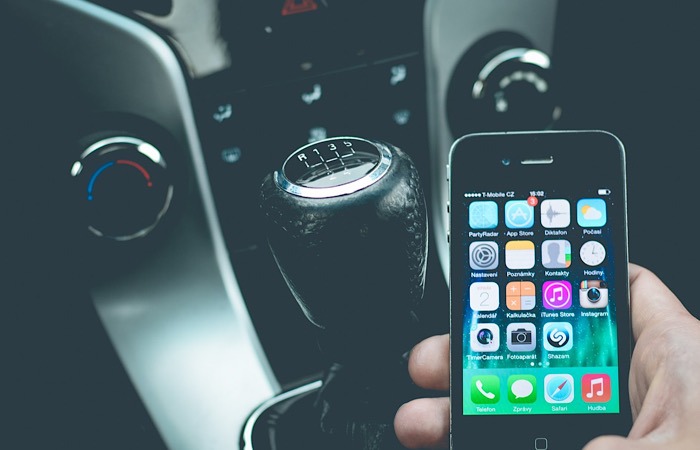
Olsen explains that app-based vehicle tracking is on the rise, yet it’s still just a modern take on an old abuse behavior. While abusers used to watch the odometer in a car, now they also know where the victim is traveling to, not just how many miles they’ve traveled.
“These behaviors existed beforehand, but the availability of some of these technologies absolutely can make it easier for abusers,” adds Olsen. “It can make it real time.”
More than half the victim service providers included in a survey reported that stalkers use cellphone apps to carry out their mission. Forty-one percent of service providers report that abusers use GPS tracking.
Karen Levy, a Cornell University sociology professor, co-wrote a paper on the ways social media and technology have worked together to create “a stalker’s paradise.”
She further explains that “digital intimate partner abuse is incredibly hard to fight because the relationship between abuser and victim is socially complex. Abusers have different kinds of access to and knowledge about their victims than the privacy threats we often think about.”
App Developer Responsibility
Olsen suggests that technologies and apps should take some responsibility and notify the user when their device is being tracked or when it has been connected to spyware.
This makes much sense, For all the ways that we know services and apps intrude on our personal data, why can’t they use that for good? Why can’t they also let us know when someone other than them has compromised our apps and devices? Sure, some do, but there is clearly a need for all of them to do so.
How do you believe we can help prevent the rise of digital stalking? Tell us in a comment below.