
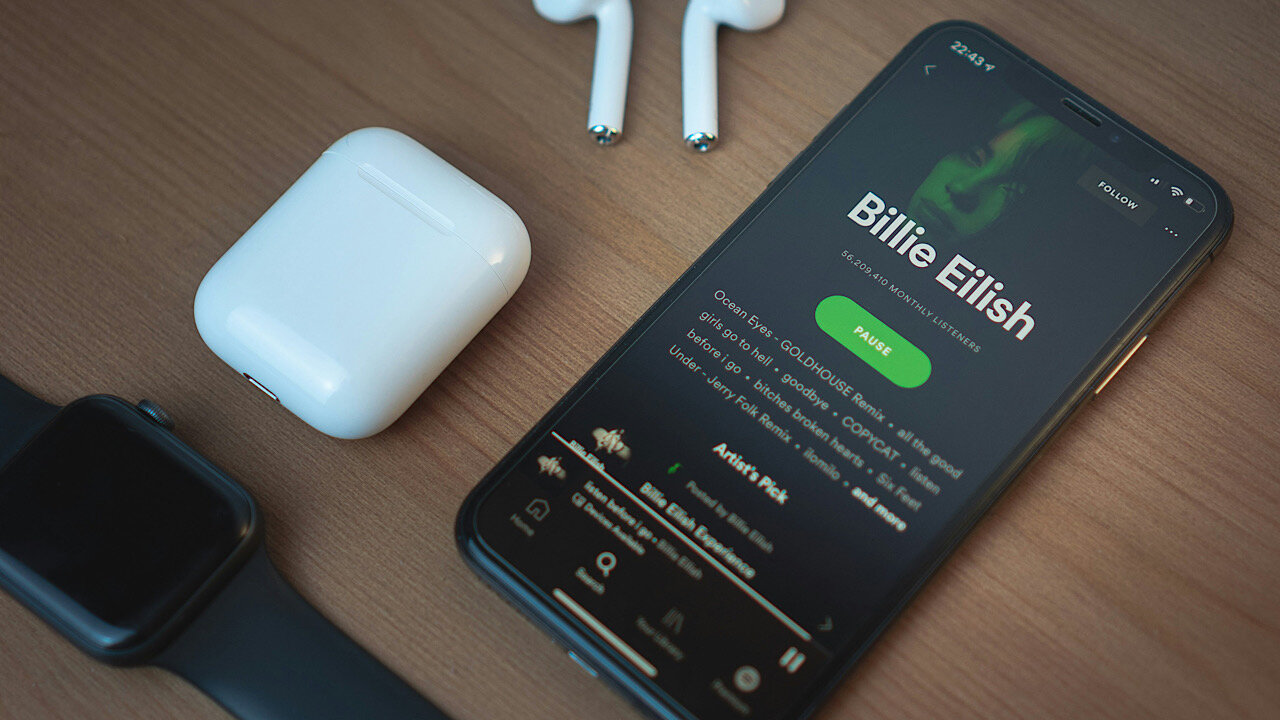

Spotify and Apple don’t just battle to be the top music service – they also battle as a service and host. While Spotify and Apple Music battle each other, Spotify battles Apple to have what it feels is its rightful place on iPhones. This has come into conflict as Spotify tries to follow the European Commission’s ruling to offer customers options. Spotify is raising a stink, saying that Apple has again defied the European Commission’s ruling.
€1.84 Billion Fine Against Apple Over Spotify App
In March, the European Commission fined Apple €1.84 billion ($2 billion) for issuing too many restrictions against its music app competitors on the App Store. They found that Apple broke the Digital Markets Act (DMA) rules that were laid out for the EU. While the base penalty is €40 million, that amount was inflated to act as a deterrent to others.

The Commission found that Apple prevented Spotify from informing iPhone users of payment options that exist outside of the App Store, after Spotify filed a complaint back in 2019. The ruling noted that Apple was participating in unfair trading conditions. Apple had a similar charge against it with regard to dating apps in 2021.
Spotify wants to avoid the high percentage that Apple deducts from subscriptions paid through the App Store, while Apple obviously doesn’t want to lose that income. It is a rather large commission fee of 27 percent. Apple vowed to appeal the decision, which is expected to take several years.
Spotify’s New Charges Against Apple
Just weeks after that decision by the European Commission, Spotify has charged that Apple rejected the newest version of its iOS app. It includes pricing and website information for EU users, which Spotify claims is the minimum allowed to follow the Commission’s rules. A Spotify spokesperson spoke of Apple’s “disregard for consumers and developers,” noting it was “matched only by their disdain for the law.”
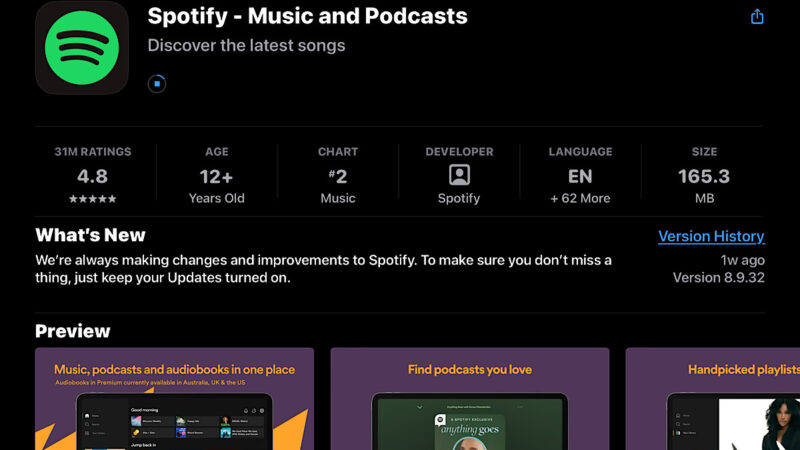
Apple reported that it will approve the new version of the Spotify iOS app if the company accepts the terms of the Music streaming Service Entitlement in the European Economic Area and resubmits it for review. The company claims the entitlement is required even if apps don’t include an external link.
The European Commission said it is currently “assessing,” to determine whether Apple “fully complied” with the European Commission’s decision. It is also assessing changes Apple implemented under the DMA.
What This Means for U.S. Customers
If you’re in the U.S., you may be asking what this has to do with you, since you don’t reside in the EU. But the changes made in the EU can have a dramatic effect elsewhere in the world. It’s quite a hassle for companies to have multiple versions of apps, dependent on the country where they are being downloaded. It’s also a hassle for the App Store and Google Play.
Additionally, lawmakers in the U.S. may decide that the EU is on the right track and start demanding the same thing from Apple and other big tech companies. If Spotify gets its way, you may soon be able to pay for apps on their websites, rather than the app stores. And if Apple prevails, you may be destined to paying more for apps, as developers raise their prices to compensate for Apple’s commission.
If you want to stay away from the big tech company fight altogether, check out the best Spotify alternatives, and possibly follow these steps to delete your Spotify account altogether. And if you decide you prefer Apple’s business model, learn how to transfer a Spotify playlist to Apple Music.
Image credit: Unsplash. Screenshot by Laura Tucker.