


Just when you thought smart technology couldn’t get any more intrusive than it already is, manufacturers of baby products come up with a smart diaper. The most recent examples of smart diapers are the Lumi by Pampers or the Monit x Huggies diaper line, designed to help you monitor your baby through a “connected care system”.
For new moms and dads struggling with the anxieties that come with being first-time parents, smart diapers promise to help them easily monitor their babies’ movements, sleep and pee patterns for a happy and healthy baby.
Is this just another smart device that you don’t need?
What Is a Smart Diaper
A smart diaper is a convenient underwear with an RFID sensor that alerts parents when it’s time to change the baby.

In the first several months of their lives, babies tend to urinate often, approximately 20 times a day. If you had to change your baby’s diaper each time he or she wets or soils the nappy, it’d get incredibly exhausting and expensive.
It’s not necessary to wake your baby every time just to change a wet diaper, which is about 4 tablespoons of liquid. However, with a poopy diaper, which counts as two wets, you need to change the baby immediately because it’ll irritate the baby’s skin.
Smart diapers are thus a way of helping parents prevent such skin irritations and other problems that may arise from leaving the diaper on the baby too long and make the baby miserable.
How Smart Diapers Work
Smart diapers are built with a tiny RFID sensor that detects moisture in the baby’s diaper and then sends a signal to a nearby receiver, which then gets to the parent or caregiver via an alert.
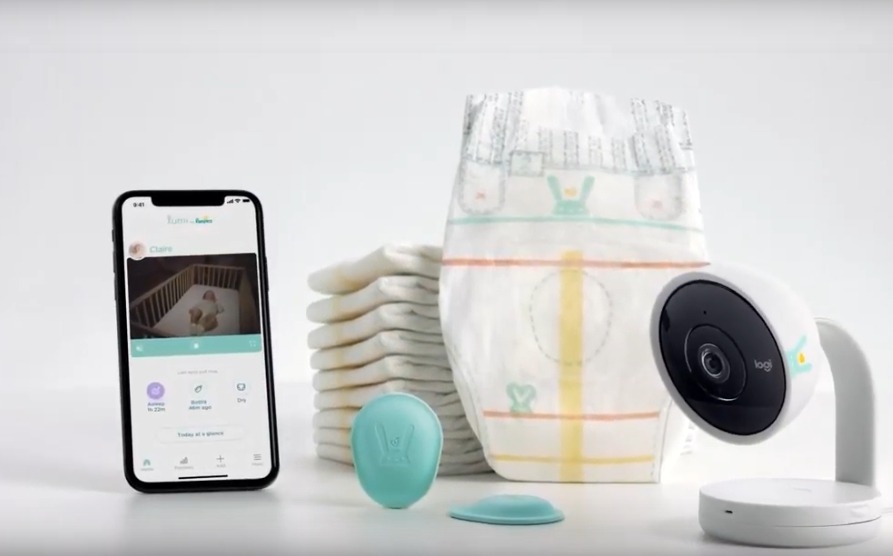
The sensor, developed by researchers at MIT, doesn’t bulk up the diaper. It’s simply embedded in the hydrogel found in disposable diapers. The hydrogel expands when the diaper is wet and triggers a tag to send signals to the RFID reader within one meter radius. All this happens without the use of batteries.
This way, you (the parent or caregiver) can place the RFID sensor’s reader next to the baby’s crib, or your bed (yes, there are smart beds , too) which enables the sending of alerts to your smartphone. If you have a keychain with a portable reader, you can also get alerts.
Is It Safe to Use a Smart Diaper?
Smart diapers are rather expensive at the moment and built around a removable Bluetooth sensor, which you need to charge and clean regularly. It tries to do too much as a smart solution by tracking not only wetness (pee and poop) but also your child’s sleep patterns.

As we’ve already seen, the RFID sensor is placed under a type of hydrogel, in the form of a layer of super absorbent polymer, which usually soaks up moisture in diapers. When the diaper is wet, the material will expand, send a signal to the sensor and you get the alert on your phone.
In terms of safety, your baby’s skin doesn’t get into contact with the sensor, just as it doesn’t come into contact with the hydrogel liquid tucked away in the diaper. Similarly, the sensor doesn’t use any batteries which would have otherwise been dangerous, especially with lead leaks.
For now, there are no known dangers to using the smart diaper, but with time and further research, these may be brought out by the developers. Otherwise, the regular diaper works just fine for your baby.
Are Safe Diapers Necessary?
Diapers aren’t just for babies though – aging populations or bedridden patients need them, too. The latter, who are unable to take care of themselves, make the case for smart diapers viable, as caregivers can be notified of patients who need changing, especially in multi-bed hospitals.

Even though researchers hope for a cheaper smart diaper with an integrated, low-cost sensor that can detect moisture in conventional diapers, they seem like overkill really. Currently, there are normal diapers that have a little yellow line which turns to a blue color when your baby pees so you don’t even have to look in the diaper.
Plus, if your baby has peed or pooped, it’s easy to know because he or she will cry. When the baby cries, you check the diaper first, and if it’s dry, then you’ll know he or she is gassy, hungry, or about to go to the bathroom.
Since the dawn of time, parents have been taking care of their babies the natural way – waiting for the cry. While the diaper department has seen some simple technological breakthroughs over time, a special smart diaper with an RFID sensor just seems to be too much already.
Besides, smart diapers will certainly cost a lot more than your regular brand of diapers, and restocking only adds to the costs.
There’s no strong case for the use of smart diapers for babies as there is with the case of incontinent seniors or aging people who aren’t able to manage their bowel movements and need help with that. If anything, you can know when your baby has peed or pooped or if their sleep patterns aren’t regular because anything that affects them will affect you too.
Wrap-Up
As technology advances, you’ll definitely be seeing even more digital products in the future that seek to analyze babies. For now though, the best thing to do is just cuddle your baby and build a relationship with them to understand them better. This is more important than buying an expensive pack of smart diapers that can do no more good than a regular diaper would for your baby.