

It seems no matter where we turn there are websites, apps, and devices that are tracking us. Every day the news informs of us we’re being tracked by yet another source. It’s unavoidable, it seems.
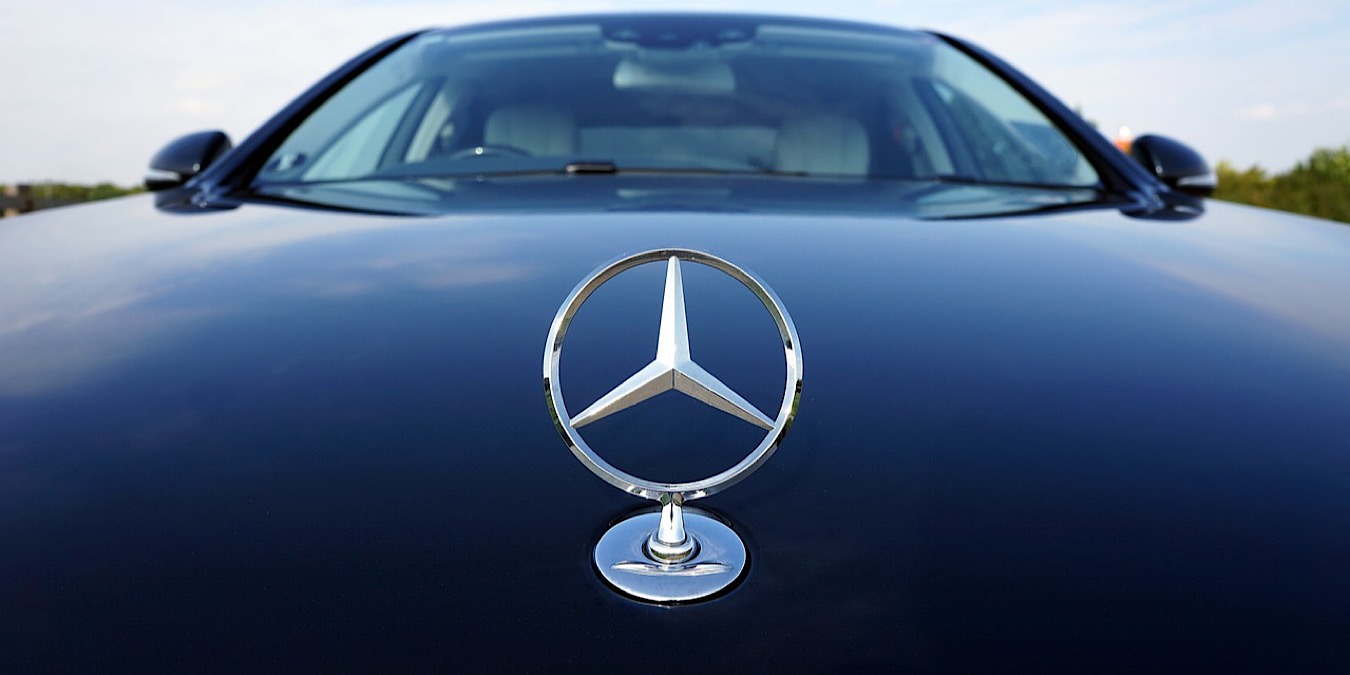
Mercedes is admitting we can add them to the bunch. The carmaker admitted that all the cars it sells are fitted with tracking devices. Again, being tracked is just unavoidable.
Mercedes Tracking Its Cars
The car maker admitted that all its cars are fitted with a tracking device so that it always knows your car’s location. The company explained the tracking sensors are only activated in “extreme circumstances.” This includes when you default on your loan, and they need to track you down.
Additionally, they’re yet another company that is giving your information away to third parties. They share your location and your identifying information with the companies that will repossess the car, should you default on those payments.
Of course, it’s not just Mercedes, either. Art Dahnert, Managing Consultant with Synopsys Software Integrity Group explained in a PR release that “today’s modern vehicles have many sensors that can be used for location identification.” These include sensors for the navigation system, including the GPS and specialty cameras that read road signs.
Additonally, “various cellular modems to provide communication to and from the car for the convenience of the passengers and to aid first responders in the event of a crash” are also implanted in cars. To be warned of blind spots, to be sure you stay in your lane, and advanced cruise control are also features that use sensors.
While Dahnert explains these sensors aren’t being used to spy on you, if all the sensors are used together, it does have the “potential to be misued or abused.”
“For example,” explains the security expert, “the navigation system knows the current GPS location down to the meter. Couple this with information from the speedometer and cruise control system, it is possible to very accurately determine the exact location of a vehicle on a roadway in real time.”
And don’t forget that to allow you to have “hands-free” features, there are also internal cameras to be sure you’re not distracted. This means the technology is there to be able to see who is driving.
This isn’t all that surprising at this point, is it? If our smart speakers are saving our verbal requests and using the recordings to train the system, certainly cars that have such advanced systems are capable of doing the same. It’s great to have GPS and parking systems installed on your car, but at what price?
Future Computer Integrations in Cars
Dahnert explains that future technology is going to make this technology standard across all makes and models of cars. Adding a cellular modem allows that data to be shared anywhere around the world, incuding the cloud servers of the car manufacturer. Again, it seems like you can’t get away from it.
Are you worried now that your car is watching you? It just may be. And if it’s not, your next car seems like it most certainlly will. Does this worry you? Let us know in the comments what you think regarding your car tracking you.