Long Reads

Longer explainers,
fewer dead ends.

Deeper how-tos, history, and tech explainers from the Make Tech Easier editorial team. Pieces here get extra research and review.

Tech Explained

Deleting a file removes only the signpost pointing to it — the bytes themselves sit on the disk for weeks or months, which is why forensic tools can still rebuild holiday photos from a drive you thought you wiped

When a file is deleted, the operating system usually crosses out its entry in the filesystem's index and marks the underlying space as free — but the data itself stays put until something else needs the room.

Tech Explained

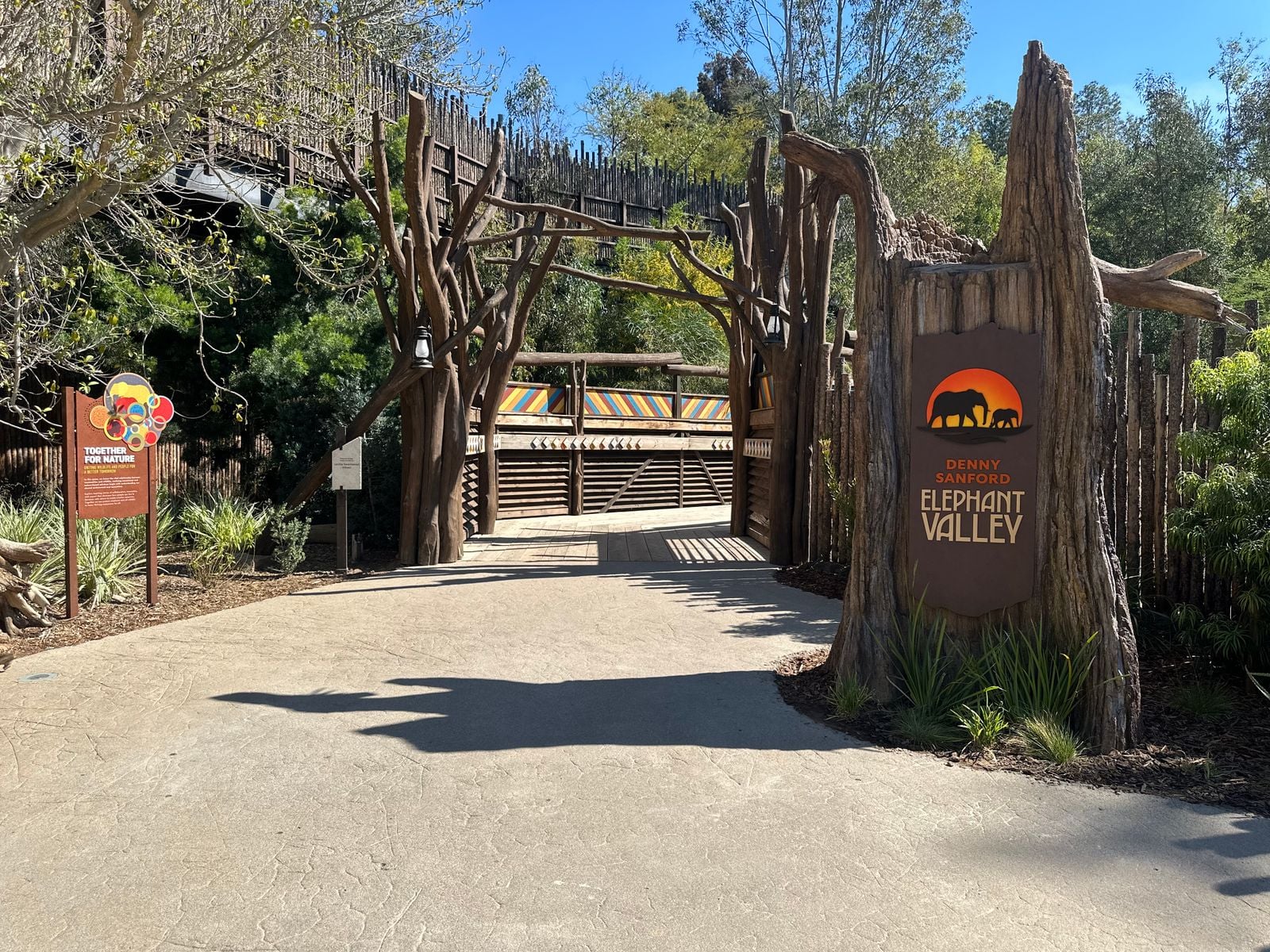
When YouTube launched in April 2005, its first video was a 19-second clip of co-founder Jawed Karim standing in front of elephants at San Diego Zoo — the site was originally built as a dating service, and the elephant clip was uploaded because no one had sent in a profile

YouTube's origin story is a small comedy of failure: a dating site nobody used, a placeholder clip about elephant trunks, and a pivot that reshaped the internet within eighteen months.


Tech Explained

The JPEG format was finalised in 1992 by a committee that met for six years to agree on how much visual information a human eye would tolerate losing — the answer, roughly 90 per cent, is why every photo on the web looks the way it does

The Joint Photographic Experts Group spent six years arguing over quantisation tables, colour spaces and block sizes. What they settled on in 1992 still shapes almost every image the web serves today.

Tech Explained

Wi-Fi can slow to a crawl in a crowded café even when the fibre connection is fast, because 2.4 GHz offers only three non-overlapping 20 MHz channels in most places, forcing nearby devices on the same channel to compete for airtime and leaving the webpage waiting behind the spinner

The reason a café Wi-Fi crawls at lunchtime isn't bandwidth or the router being "overloaded" — it's that every device in the room, and often the room next door, is politely queueing to speak on the same slice of radio spectrum.

Tech Explained

How did a Cornell graduate student's 99-line bootstrap program in November 1988 infect roughly 6,000 machines — about 10 per cent of the early internet — and force universities to invent the first computer emergency response team?

On the evening of 2 November 1988, a worm written by a 23-year-old student slipped onto the ARPANET and multiplied until administrators at MIT, Berkeley and NASA were pulling cables from walls. Within a week, the Defense Advanced Research Projects Agency had funded the first Computer Emergency Response Team.

Tech Explained

When you tap Send on an end-to-end encrypted message, the server passes along a scrambled blob it cannot read — but the timestamps, your contact list and who you spoke to when are still visible to the company running the app

End-to-end encryption hides the words inside your messages, but the envelope around them — who, when, and how often — stays legible to whoever runs the service. That gap between content and metadata is the quiet compromise behind every "your messages are secure" promise.