If you’re researching displays, especially smartphone displays and HDTVs, you will often hear about a screen with the “AMOLED” feature being a selling point. But what does this actually mean?
LCD vs. OLED vs. AMOLED: Meet the Contenders
Let’s hop right into that. First, here are the basics of what each of these display types are.
LCD

LCD, or Liquid Crystal Display, is a basic display type that took storm and replaced the old CRT (tube TV/monitor) standard. There’s a lot of variety in LCD panels, including LED-backlit panels (which are often called LED panels, to everyone’s confusion), IPS panels, and so on. This is one of the more widely-used display standards, so we’ll discuss where it is applied below.
OLED
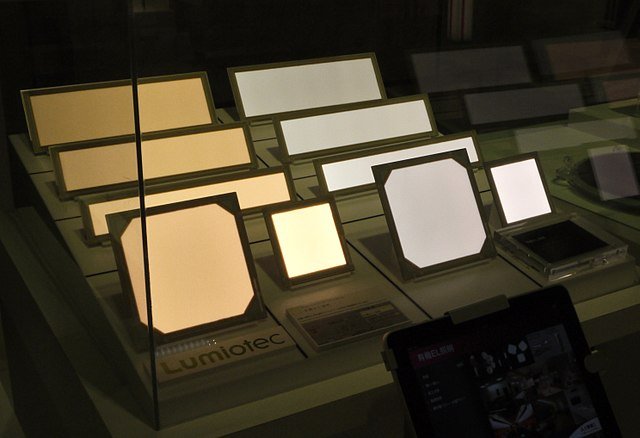
OLED, or Organic Light-Emitting Diode, is a display technology utilizing organic compounds and pixel-specific lighting. These traits combine to enable more vibrant colors and much darker blacks in an image, since per-pixel lighting is much more accurate than what you’d get on your typical LED-backlit LCD display.
Also read: OLED vs. QLED: Which is the Best TV Technology?
AMOLED
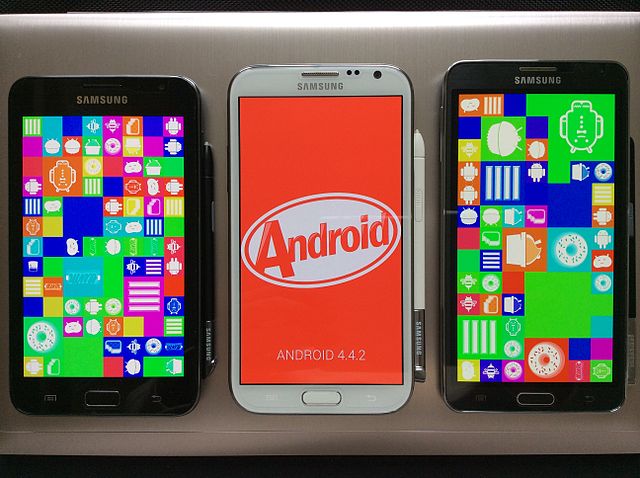
AMOLED, or Active Matrix OLED, is really just OLED with a few added perks. These perks include lower power consumption and more screen flexibility.
LCD vs. OLED vs. AMOLED: Pros and Cons
Now, let’s discuss the pros and cons for each display type.
LCD
Pros:
- Cheaper
- More versatile – implementation allows IPS and 144hz monitors to exist in the PC space, giving more options to PC users
- Lowest power consumption
Cons:
- No per-pixel backlighting = worse color reproduction and blacks in an image
OLED
Pros:
- Great color reproduction thanks to per-pixel backlighting
- Not as expensive as AMOLED
Cons:
- Higher power consumption than AMOLED or LCD
- More expensive than LCD
AMOLED
Pros:
- All the great color reproduction benefits of OLED
- Better power consumption than OLED
- Flexible displays more commonplace
Cons:
- More expensive than LCD or OLED
LCD vs. OLED vs. AMOLED: Best Usage Scenario for Each
Now, let’s discuss where these display types are best used.
LCD
LCD is best used in low-end TVs, general-purpose screens and PC monitors across all ranges, thanks to its ability to implement both TN and IPS panels. TN panels allow for higher refresh rates and lower response times, while IPS panels allow for richer color reproduction and higher viewing angles. The variety of the LCD standard makes it ideal for PC gaming.
OLED
OLED is best used in HDTVs, where screen flexibility doesn’t really matter much and image quality is king. While AMOLED will be better where available (since it’s just enhanced OLED), it will likely be significantly more expensive in the same setting, leading to diminishing returns.
AMOLED
AMOLED is best used in smartphones, tablets, smart watches, laptops – basically anything portable where you want great display quality and power efficiency and some screen flexibility. AMOLED is the de-facto standard for great portable displays and will likely remain so for the foreseeable future.
Parting Words
We hope we were able to help you come to a better understanding of display types and just what’s possible with what’s out there. Let us know in the comments below if you have any lingering questions!