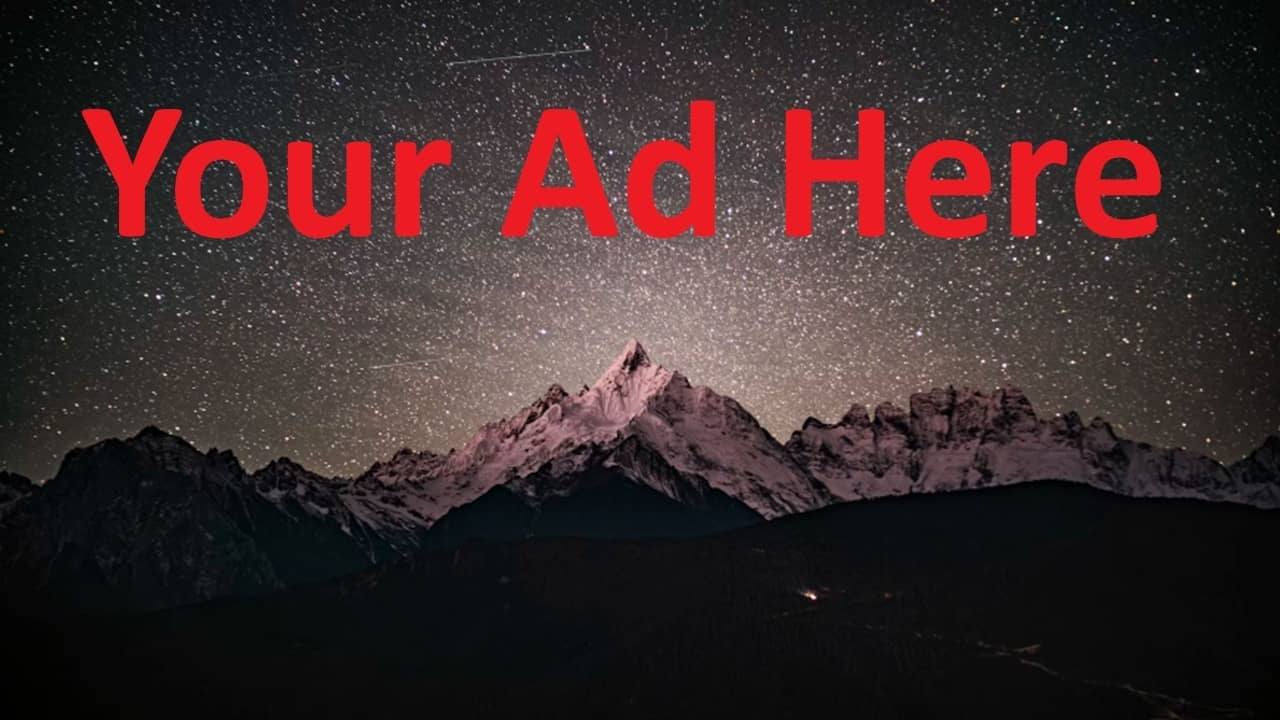
Does it feel like there are ads everywhere you look? Despite how much we pay to avoid ads, they keep creeping in on apps, streaming platforms, and even the sides of cars while we commute. Now, there could even be ads in space.
Avant Space Launches Foundation for Space Ads
A Russian company, Avant Space, launched a 3U cubesat back in April of 2024. The goal – create a constellation of satellites that would work much like drones, but in space. Companies could then pay to have these satellites showcase their messages from space. This means the satellites would be bright enough for the naked eye to see them.
This actually isn’t a new advertising strategy. PepsiCo explored using satellites to reflect sunlight to form the Pepsi logo back in 2019. However, a quick test with a high altitude balloon left them feeling like it wasn’t worth it. So, they scrapped the project.

But, Avant Space’s testing could mean the night sky might light up far more than usual. Instead of seeing stars, you could see brand logos or messages flashing across the sky.
Currently, the company is keeping details quiet, likely to avoid competition. The lure of being the first brand to show an ad in space is too great for someone not to try it, though.
Astronomers Begging for a Ban on Ads in Space
I personally can’t imagine stargazing and enjoying a peaceful evening only to have it interrupted by ads. I see enough of those on a daily basis. The sky should be off limits. And, I’m not alone. Astronomers are calling for a global ban on ads in space.
Surprisingly, the US already has a ban in place on obtrusive space advertising. While advertising itself isn’t banned, any launches carrying advertising payloads won’t be approved. Of course, this could change at any point, but at the moment, the US won’t permit any launches from US soil for the purposes of space advertising.
While the US may have a ban in place, it doesn’t mean US-based companies can’t work with companies like Avant Space to still launch space ads.
Astronomers want a global ban to keep the night skies clearer. With all the satellites already in space, they don’t want to see tons of clutter for the sake of ads. Plus, the American Astronomical Society believes this form of advertising could cause significant interference with astronomy from the ground level, which is why they called for a ban this week.
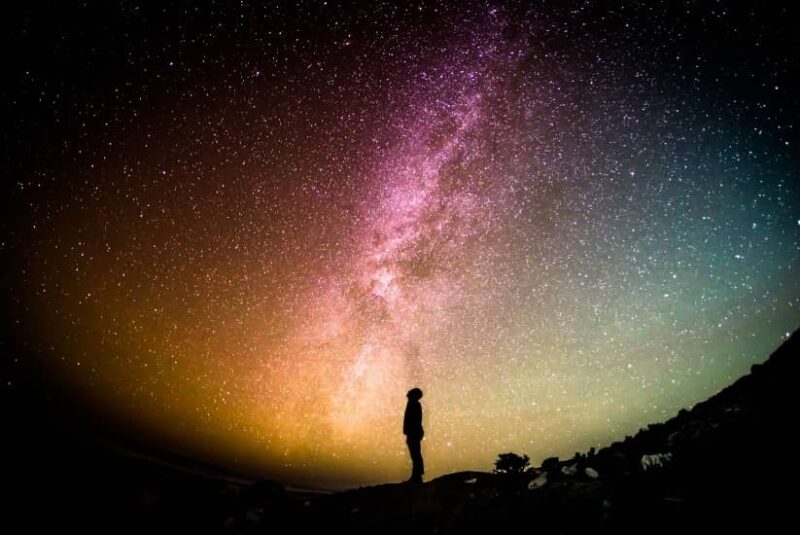
For now, the sky may be filled with satellites like Starlink and its competition, but those all serve more important purposes than an ad. Before long, though, the same brands you see pushing products on Amazon Prime Video could be disrupting the next meteor shower. If you want to stargaze without ads for now, check your favorite weather app to see when you’ll have clear skies.
Image credit: Unsplash