

There’s been discussion for several years that Apple is interested in eliminating desktops and laptops and replacing them with iPads. There’s even been a trend of the company combining macOS and iOS to get closer to that ideal.
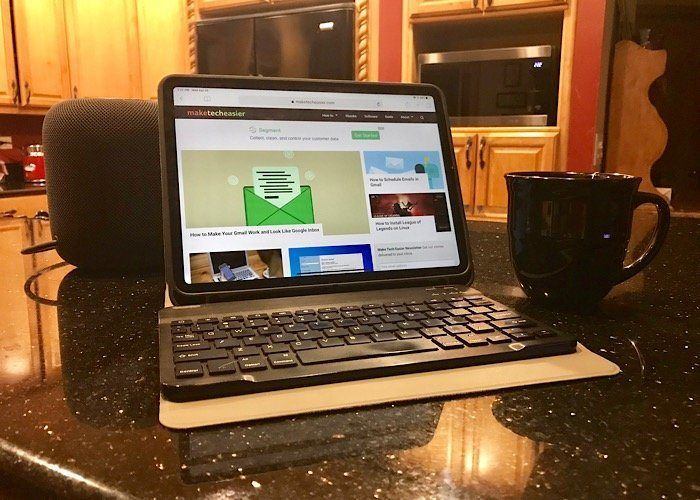
However, the company consistently says that isn’t the direction they are headed. However, a report suggests Apple is working on adding the ability to add a mouse or trackpad to an iPad Pro through USB-C in the upcoming iOS 13. With the addition of a Bluetooth keyboard, this would give the user a more complete laptop experience.
Adding Mouse Capability to iPad Pro
The premium tablet line of the iPad Pros has long been considered to be a possible replacement of the MacBook Pro, but it has its detractors. Their main complaints are that there’s no mouse or trackpad, the onboard keyboard is too difficult to work with, and the mobile software isn’t good enough to do anything serious with it.
But MacStories editor Federico Viticci raised the possibility on a podcast of adding mouse support to the iPad Pro lineup now that the 2018 models have USB-C support.
Some suggest it could be added as a feature with AssistiveTouch accessibility. AppleInsider found that that it’s already a possibility to have a cursor when working in iOS when it’s used with the right hardware.
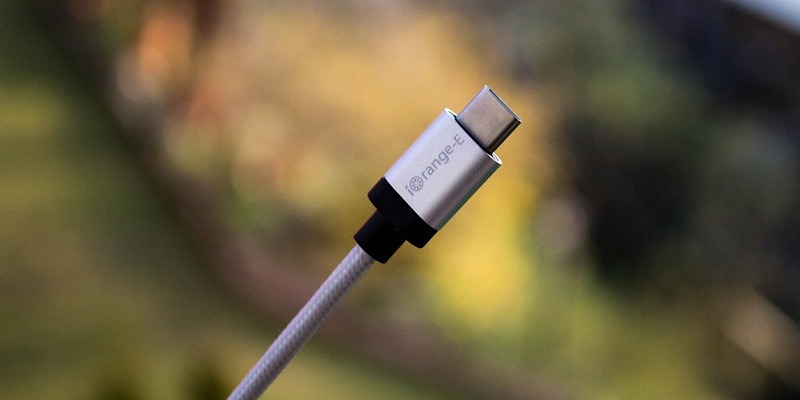
Viticci’s sources believe a USB-C mouse could be used similarly in the future and that it could plug directly into the USB-C port on the iPad Pro.
Developer Steve Troughton-Smith gave credibility to this thought when he tweeted, “If you missed last week’s @_connectedfm, @viticci had a pretty interesting scoop that he’d been sitting on re mouse support coming to iPad as an accessibility feature. As far as I’m aware, that ‘is’ indeed in the works.”
He added, “I feel like every pro user will turn that on, day one,” and added a laughing-while-crying emoji.
AppleInsider adds that if this is indeed in the works with Apple that the company wouldn’t stop with just USB-C connectivity. Why not utilize Bluetooth connectivity? After all, this is how iPads connect to a keyboard. And if that’s the case, the feature wouldn’t be limited to iPad Pros.
User Acceptability
Much of this depends on that two-fold factor between Apple and user. Users have to desire this feature, and Apple has to recognize that they do and fulfill that need.
I will say I have been using iPads since the iPad 2 in 2011. Since the first few days of working on it, it became my main machine. I used my Mac less and less, and now I haven’t even touched it in at least six months.
I started using an iPad Pro for the first time a few months back. For the most part, I can do much of what I did before on the standard iPad line. I could never do what I do without a keyboard, but I can’t see how a mouse or trackpad would improve anything for me. One of the reasons I prefer the iPad is because of the touchscreen experience rather than mouse. I also enjoy iOS more than macOS.
What do you think of the possibility of running a mouse with USB-C on an iPad Pro? Would that be a game-changer for you? Add your thoughts to the comments section below.