
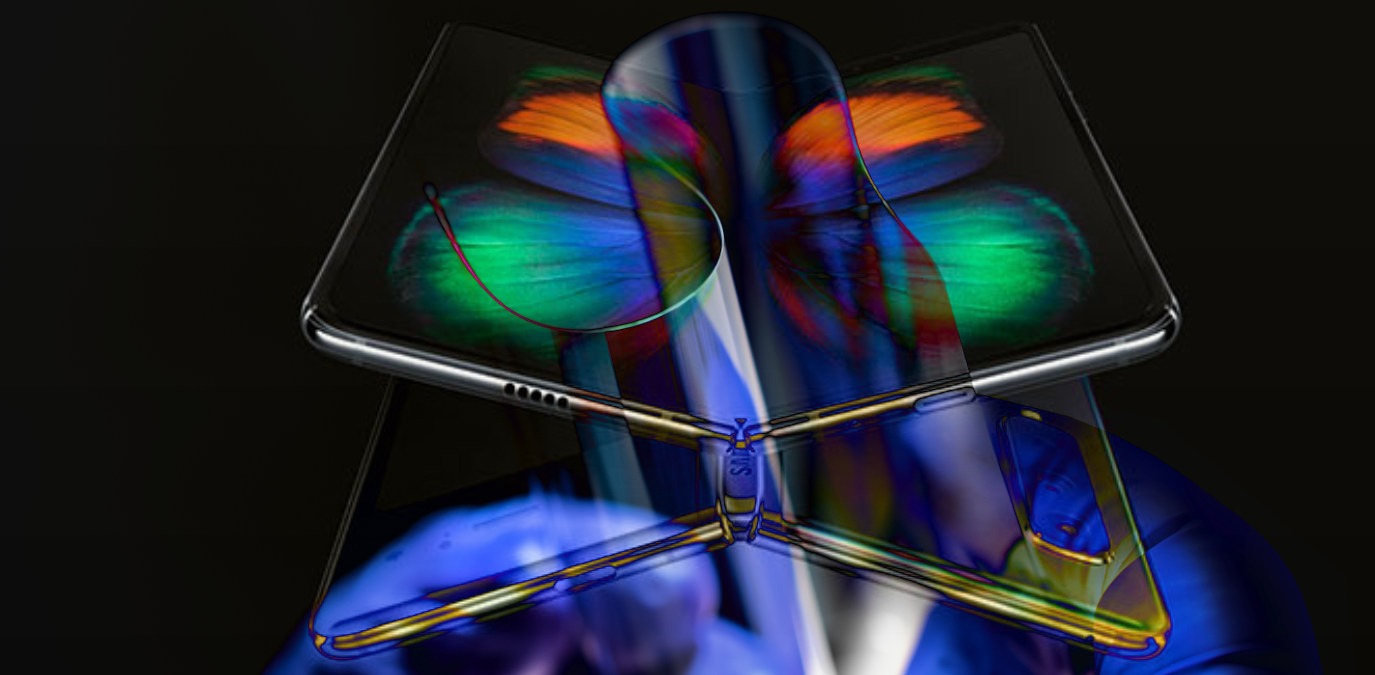

Nobody really asked for a foldable phone, but they’re on their way to being the design trend of the 2020s, and if they can come down in price and up in quality, they might actually be the new normal at some point. The hardware is clearly the main obstacle here, though, so it’s worth understanding what goes into a foldable phone and why the materials are part of what’s holding it back.
The glass
Regular phone screens are obviously not foldable, as you may have discovered if you’ve ever tried folding one. That’s because they’re typically made of several layers, including notably inflexible glass. Making the glass bend isn’t necessarily the hard part, though – current foldable phones have gotten around that issue by using plastic polymers, and manufacturers like Corning are working on making actual bendable glass.
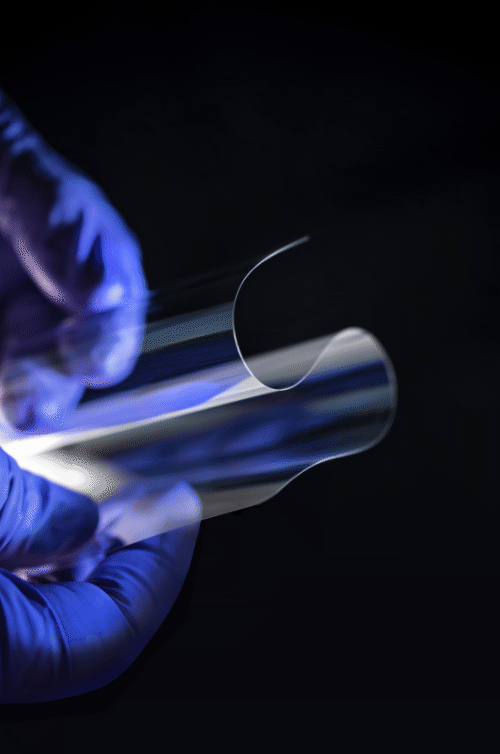
The Samsung Z Flip is one of the first to feature an actual glass screen (though there’s some debate over how much glass is actually in it), but most of them probably will in the future. The current plastic polymers have been the target of a lot of complaints, given that they’re softer and more easily scratchable than the hard glass most of use are used to.
The rest of the screen
Making the glass part bendable has turned out to be easier than doing the same to the stuff under it, though. Current foldable smartphones tend to use OLED (Organic Light Emitting Diode) technology, since that type of screen has fewer layers than LCD screens and doesn’t require a backlight.

OLED screens are made up of thin films of organic material that light up when electricity goes through them. The electricity gets to the pixels via layers of thin conductive material, which need to be transparent so you can actually see the pixels. Indium tin oxide has been the material of choice in non-bendable OLED screens, but since it’s not very flexible, foldable phones need to use some other type of transparent, conductive, bendable material. As you might imagine, that’s not a combination of properties you stumble across a lot in nature.
Researchers have been looking at using silver nanowire materials and graphene, among other potential replacement materials, and, as with the glass, the technology is continuing to improve. As with most new materials, though, putting all these new pieces together hasn’t been cheap, easy, or bug-free.
The case and hinge
The back of the phone doesn’t need to be transparent, so it seems like it’d be pretty easy to just slap a hinge under some flexible backing material and call it a day. We’ve been making hinges for a long time, so that should be fine, right? Well, not exactly: there have been issues with the folding mechanisms giving out too early, causing creases in the screen, and letting dust and other particles get into the phone.
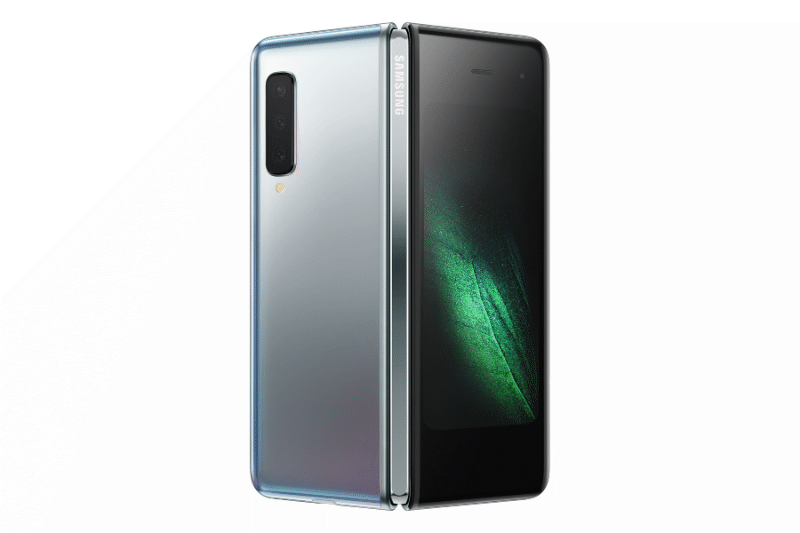
Samsung’s Galaxy Fold launch – the first one-piece foldable phone from a major manufacturer – was tarnished by defective hinges, for example, and there have been more examples of hinge issues since then. Of course, introducing any kind of moving, mechanical part into a device is very likely to shorten its average lifespan, so this is really just adding another dimension along which a smartphone can fail.
The interface
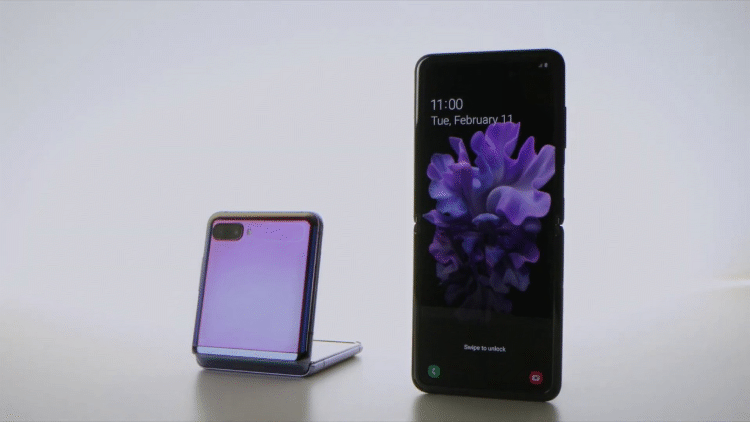
Getting apps to play nice with foldable phones is relatively simple compared to the hardware challenges. Most apps already come prepared to encounter a variety of screen sizes ranging from smaller phones to full-size tablets, and having them switch between modes as the phone does shouldn’t be much of an issue. Google has announced that they’re working with Samsung to accommodate foldable phones and plan to build in support in a future version of Android.
Foldable phones are just going to get better
Pretty much everything about foldable phones, aside from the fact that they can fold, is worse than the non-bendy equivalent. Currently, you’re paying a pretty high price for a cool phone with a higher-than-average chance of getting scratched up and/or broken. Once you dig into the hardware issues, though, it becomes pretty clear that a lot of the foldable phone’s challenges are already in the process of being overcome: plastic is turning into glass; more suitable materials are being found for the OLED; the hinges are, presumably, being worked on; and most apps will probably be able to make a smooth transition pretty soon.
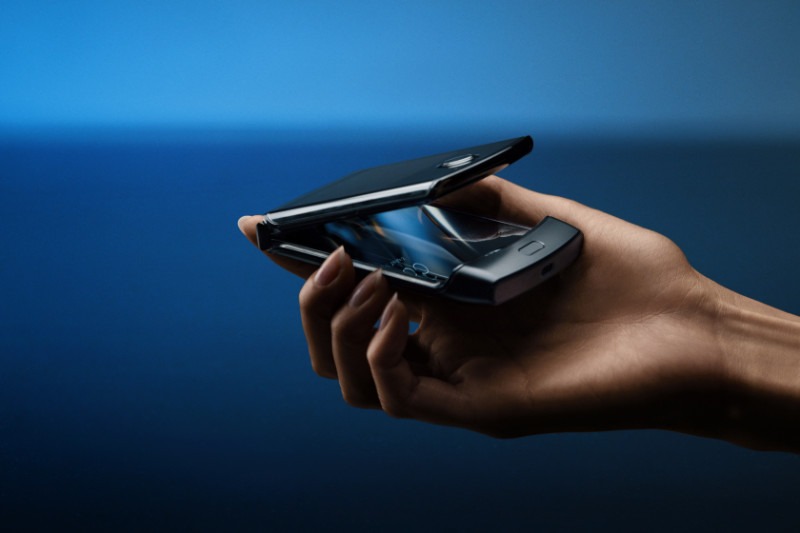
As the hardware becomes standardized, costs are likely to come down, which will open the market up to people who can’t or won’t buy $1000+ phones. Either way, given where we are in the probable life cycle of the foldable phone, it may be wisest to wait at least a year or two until the biggest bugs are worked out. Or, if you really want one now, you could always drop $399.00 on the Escobar Fold 2, which is apparently a rebranded Samsung Galaxy Fold that Pablo Escobar’s (yes, the Colombian cocaine Escobar) holding company bought up in bulk and is reselling at a $1600.00 discount. If you go that route, let me know how it turns out.
Image credits: OLED Schematic, Samsung Media Library, Motorola Razr, Ultra-thin, bendable glass in development
Related: