While Google is doing some great things lately, such as launching the new game-streaming service, Stadia, they’re also doing very confusing, frustrating things. Very upsetting to many was their decision to send their popular Gmail app, Inbox, out to pasture.
Now they are limiting Gmail yet another way. They will no longer work as fluidly with IFTTT. A number of their actions will no longer work at the end of the month, which is coming up very quickly.
Gmail Eliminating Some IFTTT Actions
IFTTT is a service that allows you to set up what they call “Applets.” Similar to Siri Shortcuts, they are just that: shortcuts. They eliminate work by making it easier to do a series of actions that are tied together. The name stands for “If This, Then That.” An Applet will consist of, “If you do this action, then this action will happen as a result.”
As if Inbox users weren’t already dreading this time of year, Gmail sent a reminder to all Inbox users last week that they have just days left before it’s permanently shut down. Those who haven’t found another email solution need to hurry and fine one. On the same day, April 2, Google is also shutting down Google+.
This was followed by IFTTT sending out a notice to users that a number of Gmail actions will no longer work in Applets at the end of March. They are blaming this on “Google implementing changes to their API ecosystem.”
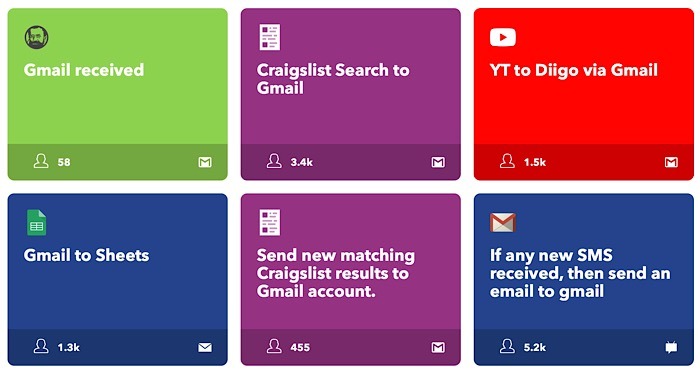
“Unfortunately, this change means that all Gmail triggers and the Create a draft action will be removed from IFTTT,” read the notice that was sent by email. “The Gmail actions ‘Send an email’ and ‘Send yourself an email’ will remain intact. Please sign in to view which of your Gmail Applets will be affected.”
“We’ve long had a good relationship with Google, and we support their effort to improve privacy and security, though we understand this change may be a disappointment to the communities that use these Applets,” continued the notice. “We look forward to working with Google in the future to bring new sustainable services to IFTTT in ways that empower everyone to benefit from and control their data.”
Additionally, IFTTT provided a longer explanation in a blog post on their website. The changes being made to Gmail would have required them to “massively refactor” how they integrated with Google’s email service. It would have required more “overhead” on the part of IFTTT, and they felt the IFTTT experience would be “degraded as a result.”
Changes and More Changes
With the good, comes the bad. While Google and Gmail are implementing new exciting things, it means it’s no longer feasible to work with some partners or maintain prior services. It’s understandable on their part as a business, as well as on other services, such as IFTTT.
However, users are the ones left holding the bag. At least with the elimination of the Inbox app, users had several months to find another solution. But with the elimination of some IFTTT Applets in a matter of days, it’s going to require some people to scramble to find another solution that works for them.
Are you an IFTTT user? Did you use it for your Gmail? Let us know in the comments below how this news affects you.