


Technology seems to always follow trends, with a current trend being foldable smartphones, like the Samsung Galaxy Z series. Curiously, Apple is really late to this party, despite ongoing rumors of an impending foldable iPhone. Now, experts are saying it could be two to three years still before we see a foldable iPhone, and what we may see instead is a “folding Mac.”
Also read: Everything About Apple Silicon and the M1 Chip That You Need To Know
Waiting for the Foldable iPhone?
There’s been more than just rumors concerning a foldable iPhone – there have been patents, such as the one for a flex battery. But in the span of time we’ve been waiting for the phone to release, other brands have jumped out in front and released foldable smartphones, with Apple seeming not even close.
The rumors state that Apple is still working on its own foldable and that it’s just taking longer than expected.

Apple analyst Mark Gurman believes we just need to be patient for a foldable iPhone. He believes one reason we haven’t seen it yet is that Apple doesn’t want to invite the inevitable comparisons to Samsung’s foldable phones. Spacing out a foldable iPhone release would allow Apple to carve out its own niche in the market.
Apple’s been here before. Everyone wondered who would put out the first smartwatch, with multiple rumors of Apple’s wearable. It was far from the first. But after the eventual release of the Apple Watch, it soon overtook the market.
Apple took its time and released a wearable that did the job. In that sense, maybe it just isn’t feeling the foldable iPhone is good enough for release. The current foldables on the market aren’t thought to be very durable yet.
A Foldable Mac?
Display analyst Ross Young suggests we won’t see a foldable iPhone until 2025, basing that opinion on discussions with supply chain contacts.
But a foldable Mac would be more revolutionary. Young’s sources say the foldable device technology could be used instead on a foldable Mac that would be smaller than a MacBook with the display around 20″.
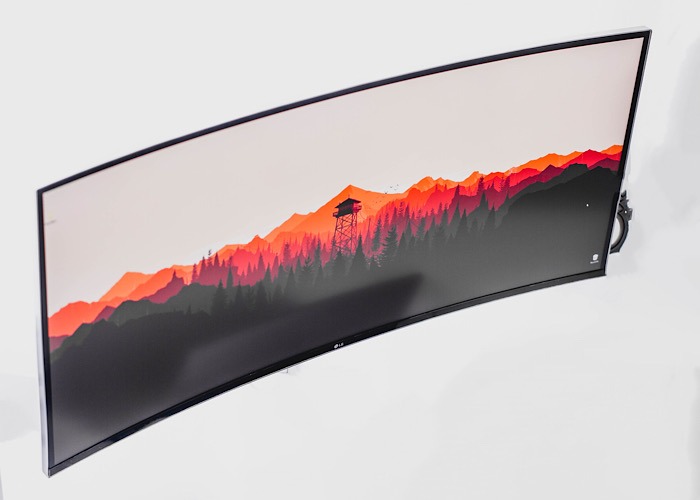
He’s not suggesting it would be a foldable MacBook, though, which is good, as MacBooks are hinged, so they’re already “foldable.” Folding it more would be like an origami Mac.
And Apple executives still aren’t pushing a Mac/iPad hybrid. This is despite Apple fans begging for a touchscreen Mac.
What’s being suggested is a new category for Apple devices. Envisioned is a notebook-type device with an onboard-touchscreen keyboard when folded and a monitor when unfolded that could pair with an external keyboard, similar to an iPad.
There’s no suggested date/year for this foldable Mac, but it doesn’t seem like it’s close to release. Definitely don’t expect to see it at Apple’s March event. Rumors suggest with the M1 chip or the new M2.