
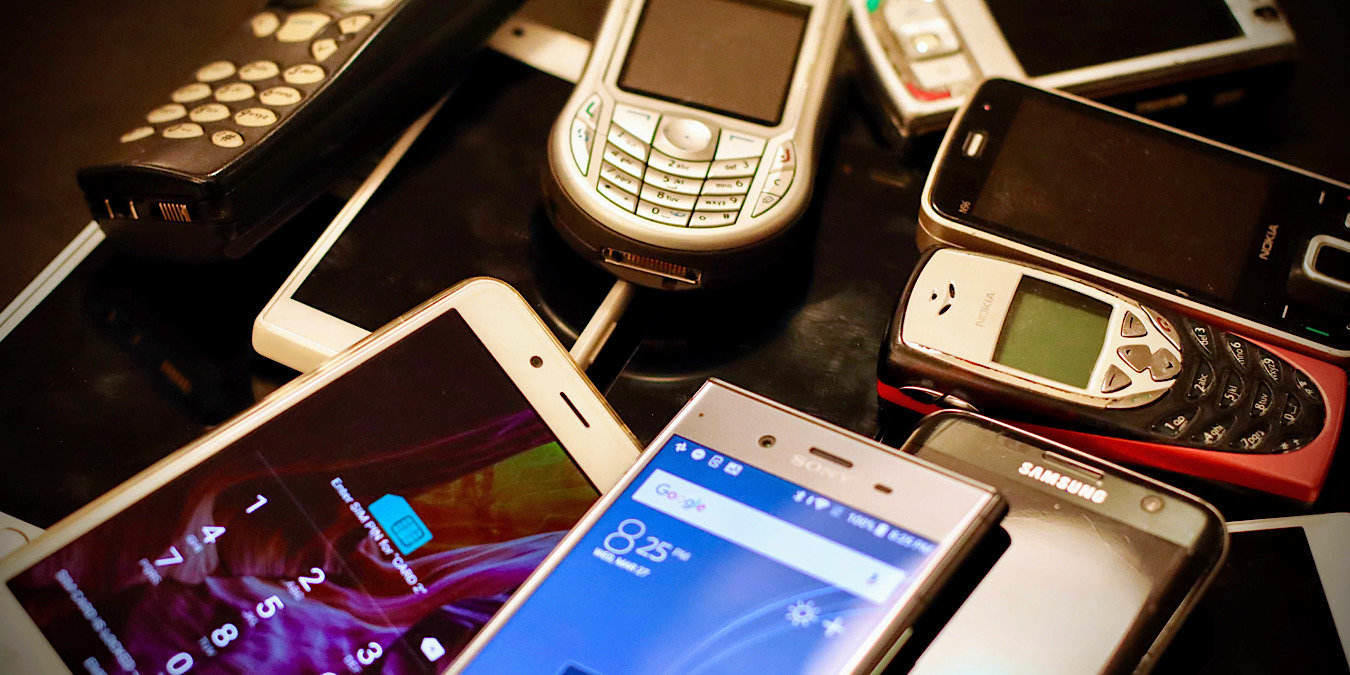

This is something that perhaps we considered years ago when we first encountered the idea of having phones that traveled with us. Maybe these phones would have radiation. But many of us really haven’t paid too much attention to it since then. We enjoy the convenience of what cell phones give us, especially when using smartphones, such as iPhone and Androids.
However, the Chicago Tribune tested what seems to be a random range of cell phones and found radiofrequency radiation at more than an acceptable amount. The FCC is now investigating on their own, after the newspaper’s testing.
Cell Phone Radiation Testing
The Tribune paid for this test of radiation in cell phones and conducted the test according to federal guidelines at what they describe as an accredited lab.
Their test produced surprising results. An iPhone 7 they tested showed radiofrequency radiation exposure that measured over the safe legal limit. They found it to be more than double what Apple reports it to have.
The FCC states on its website that if a cell phone has been approved for sale, it “will never exceed” the maximum allowable exposure limit, yet the iPhone 7 used in this testing did.
The newspaper tested three more new iPhone 7s, and these, too, measured over the maximum allowed limit for radiation exposure. Apple wasn’t the only offender. Eleven phone models from four companies were tested with a range of results.
The Tribune admits their testing was limited yet also says it “represents one of the most comprehensive independent investigations of its kind.” They believe the results raise questions about whether cell phones in general are ignoring designated safety standards.
“We take seriously any claims on non-compliance with the RF (radiofrequency) exposure standards and will be obtaining and testing the subject phones for compliance with FCC rules,” said FCC spokesman Neil Grace.
The newspaper notes it wasn’t their intention to rank phones for safety and only eleven models were tested, and many times just one of each device. Two phone manufacturers dispute the results, and that includes Apple. They said the phones were not tested the same way they do, but any way you test should not be showing higher levels than what they are supposed to have.
The FCC sets the exposure limit of 1.6 watts per kilogram averaged over one gram of tissue. Exposure was measured at two distances from the simulated body, the distance manufacturers used in their testing (5, 10, or 15 millimeters) and a closer range of 2 millimeters which would be similar to carrying the phone in a pocket. Apple and Motorola phones were tested a second time using the companies’ feedback of how they achieved their results.
Several versions of the iPhone 7 were tested because of the “high results from a pilot test.” The least amount measured was 2.47 kg, above the limit, and the most 7.15, frighteningly above the limit. The iPhone X ranged from 1.38, below the limit, to 2.19. iPhone 8 1.1 to 5.37, and iPhone 8 Plus 0.68 to 1.79.
The Samsung Galaxy S9 measured 0.63 and 3.8, the Galaxy S8 1.53 and an astonishing 8.22, and the Galaxy J3 1.38 and 6.55.
The Moto e5 Play ranged from 1.25 to 6.67, the Moto g6 Play ranged from .25 to 3.42, and the Moto e5 measured 0.68 and 1.75.
The BLU Vivo 5 Mini measured 0.3 and 1.29.
Part of this discrepancy could be because the testing standards were set in the 1990s, a time when cell phone use wasn’t anywhere near where it is today and when they were not kept as close to the person as we keep them now. Companies were allowed to position them up to 25 millimeters away in their testing.
Unknown Risk
It’s unknown at this point what this type of exposure will do and if it involves a cancer risk or other harm. But it’s frightening nonetheless. As I type this, I have an iPhone 7 sitting right next to me.
Regardless, we need updated standards that represent how we use our cell phones, updated standards that phone companies are forced to obey. We also need to know what the danger is when the limits are exceeded and exactly how phone companies do their testing to achieve different results than the Tribune.
Will these results change the way you use your phone? Share your thoughts and concerns in the comments below.