


There are many countries whose citizens are used to seeing CCTV cameras on a daily basis everywhere they go. Moscow takes this to another level, installing over a hundred thousand of these devices all over the city, including at the entrances of some apartment buildings. The creative folks at NTechLab collaborated with the local government in December 2016 to implement a facial recognition system right in the spine of this infrastructure. Since then 6 arrests have been made of criminals who have previously been difficult to catch, according to reports coming in on 28 September 2017. But what does this say about a society that is constantly under watch with a technology that can potentially automatically recognize every citizen?
What Could Go Wrong?

There is an argument for ensuring that a city has enough surveillance coverage to track the movements and routines of wanted criminals. The arrests made in Moscow prove that the system works as intended, with some of these criminals evading capture for years. However, we can’t ignore the eery idea that there are so many CCTV cameras in one city that the local government can virtually track every movement of each citizen and tourist that enters. A city-wide system like this presents a massive possibility of abuse.
While we may generally agree that murderers should be caught and brought to justice, it’s unsettling to picture a society where the idea of a “lawbreaker” is defined by the same institution that performs such an extensive amount of surveillance. What if, for example, a society that restricts the freedom of expression by banning certain articles of clothing implements this surveillance model? Arrests would be made on individuals who chose to wear the wrong thing on a particular day.
The FaceFind Scandal
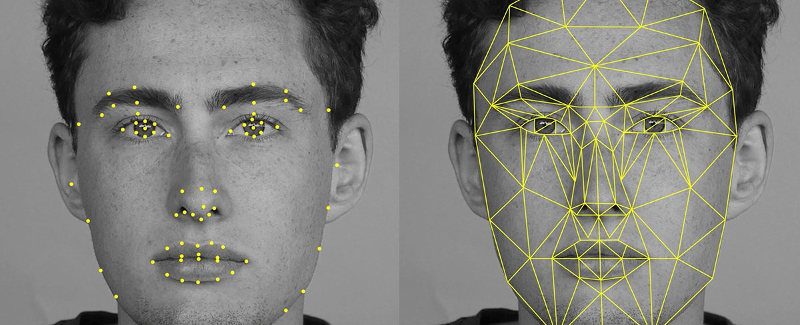
Before the CCTV experiment, NTechLab made its technology publicly available through a platform called FindFace. Using it, people could find a person’s VKontakte (VK, a Russian version of Facebook) profile by uploading a random photo of them. A group of nefarious people chose to use this software to find adult actress’ VK profiles and contact their family and friends with the hope that they would elicit a negative reaction and make the target’s life difficult. FindFace’s initial intention was far from what it was used for. It was created as a platform for people to find new friends but has instead become a boon to stalkers the world over.
When Well-Intentioned Initiatives Fail to Meet Their Goals
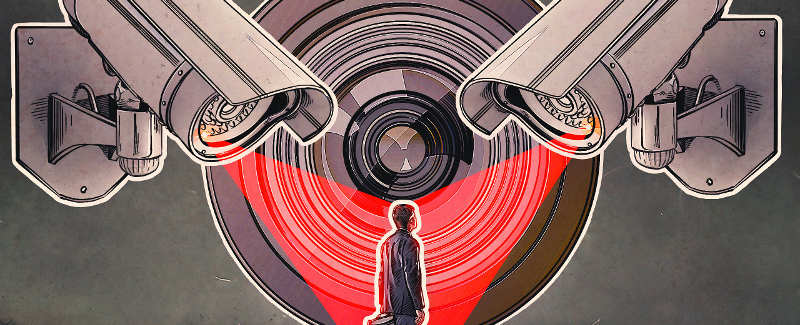
Both the facial recognition CCTV platform and FindFace were made with the best of intentions. One was made to catch criminals, and the other was created to bring people closer together. But human nature plus the nature of state institutions paints a different picture of how this software will be used. We tend to want to use technology in a way that allows us to have control, not only over our own lives but also control over others (such as a parent installing tracking software in a child’s phone). Used correctly, it can help us keep people safe. However, in the wrong hands, technologies like FindFace and the CCTV-based facial recognition backbone in Moscow can potentially make innocent people’s lives miserable.
Do you think we should implement more or less technology to assist government surveillance? Let’s talk about it in the comments!