

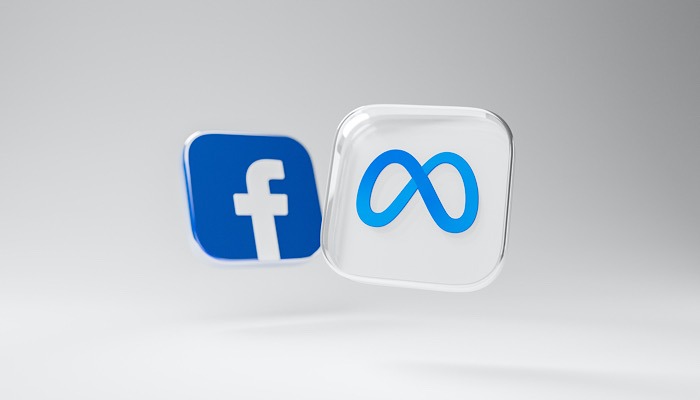
Many were a bit confused by the direction Mark Zuckerberg is taking Facebook. He announced last year a rebranding under the name “Meta” with a move toward the metaverse. But the most recent quarterly earnings report showed why changes are being made: Facebook is losing users.
Also read: Fed Up with Facebook? Switch to One of these 7 Alternatives
Facebook Quarterly Earnings Report
For the first time since Zuckerberg conceived of Facebook while sitting in his college dorm room, the social network is losing daily users. It’s the first time in 18 years. This happened in the last three months of 2021, around the time of the Meta announcement.
Not that Facebook only has a handful of users left – it still has 1.93 billion users who sign on to post or read their feeds every day. But this loss was international. The greatest drop in daily users is in Africa and Latin America.
After the quarterly earnings report was released, Meta stock dropped more than 20 percent to about $249 per share. The total effect could amount to about $200 billion stripped from Meta’s market value. It could destroy it to the point it would no longer be seen as one of the world’s most valuable companies.
Meta’s Other Difficulties
Meta losing users is far from its only difficulty. It’s facing stiff competition from TikTok and is also being forced to answer to federal and international regulators about its business practices. At the same time, it’s working on the rebranding of Meta and pushing its brand of hardware.
Even the hardware division of Meta is losing money. Facebook Reality Labs is behind the Oculus Quest gaming headset. While it had $877 million in revenue the last quarter, it lost $3.3 billion.
Much of the company’s earnings, though, is from the source everyone would expect it to be from: advertising on Facebook. We know it makes the company a lot of money, and in fact, it makes the biggest chunk: $33.67 billion in the last quarter.
When Meta was started last year, it required the company to invest a lot upfront. It hired $10,000 people.
“Last year was about putting a stake in the ground for where we are heading; this year is going to be about executing,” explained Zuckerberg on last quarter’s earnings call.
There are thoughts that the push toward hardware is a smokescreen to distract the politicians. Making that situation even worse, a whistleblower came forward and produced tens of thousands of documents. These showed that Facebook was instrumental in the spread of misinformation and the social network being used to help political negativity organize.
Aside from the backlash from the reveal of the Facebook documents, it’s also in the midst of a U.S. antitrust case and a similar situation in Europe. These actions forced Meta to not pursue its cryptocurrency project Diem any longer.
It’s been many years, though, since Facebook saw an increase in its user base in the U.S. or Europe. That was okay, as the company was still adding users in other countries. But the results of the last quarterly report show an end to that growth.
The social networks outside of Facebook – Instagram, WhatsApp, and Messenger – are still adding users. Yet all is not lost, as even Facebook is still growing, despite its daily users dropping in number.
It’s almost as if the Meta name change was an attempt to push past all the scrutiny. The company’s stock ticker symbol is changing from Facebook to Meta.
The change in the company’s numbers shows what it takes for Zuckerberg to make changes. It’s not whistleblower complaints or testifying before Congress – it’s the almighty dollar.
“People have a lot of choices for how they want to spend their time, and apps like TikTok are growing very quickly,” said Meta’s CEO. “And this is why our focus on Reels is so important over the long term.”