
It was a shock to many when Netflix started working on its password-sharing woes, but the solution worked out well for the company. Now Disney Plus is poised to do the same next month in the U.S., with CEO Bob Iger announcing an expansion of plans to stop password sharing.
Bob Iger Announces Disney+ Password-Sharing Crackdown
This move by Disney Plus is expected to curb the number of users who share their passwords with friends and family outside their household. Similar measures by Netflix had a significant impact on its subscriber growth and revenue, and Disney Plus hopes to replicate this success.
In preparation for the new policy, Disney Plus will be implementing stricter account verification processes and possibly introducing new subscription tiers to accommodate different user needs. Subscribers are certainly wondering how these changes will affect their accounts, but some of them may have already heard from the company.
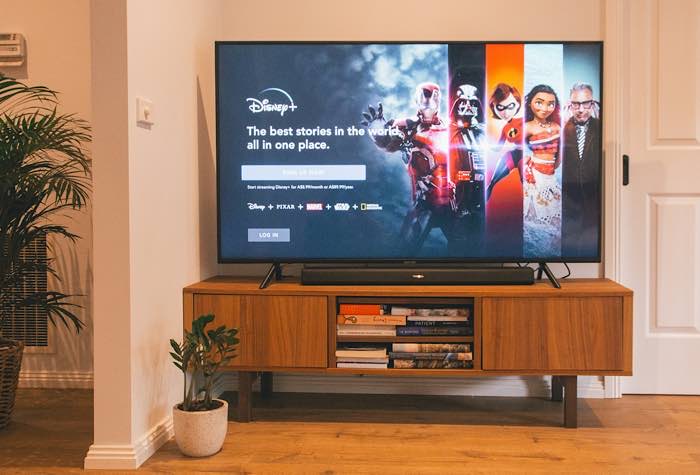
As the streaming industry continues to evolve, companies like Disney Plus and Netflix are finding ways to adapt to changing consumer behaviors to maximize their profitability. The crackdown on password sharing is just one of the strategies being employed to achieve these goals.
“We’ve been talking a lot about adding the technology features that we need to basically make it a higher return, higher-margin business, and a more successful business. And we’re doing that right now,” Iger said.
“We started our password-sharing initiative in June. That kicks in, in earnest, in September. By the way, we’ve had no backlash at all to the notifications that have gone out and to the work that we’ve already been doing.”
How Will Disney Carry Out This Plan?
So far, nothing was announced about the methods Disney Plus will be using to crack down on password sharing in the U.S. However, the company has already started the process in the U.K.

One account in the U.K. can now only be shared with devices that are owned by the people who live in your home, similar to Netflix’s plan. Also like Netflix, if you still want to share your plan with someone who doesn’t reside in your home, you can pay extra. Read on if you want to learn how to edit your profile in Disney Plus.
For Netflix users, it’s still cheaper to add a person than your friends and family members getting their own accounts. However, this hasn’t started yet, even in the U.S. or the U.K.
The impact of these changes will be closely monitored by industry analysts and competitors, as the success of Disney Plus’s strategy could influence similar actions by other streaming services, just as Disney Plus was surely influenced by Netflix. But you can also turn that around. Learn how to save money with streaming services.
Image credit: Unsplash