
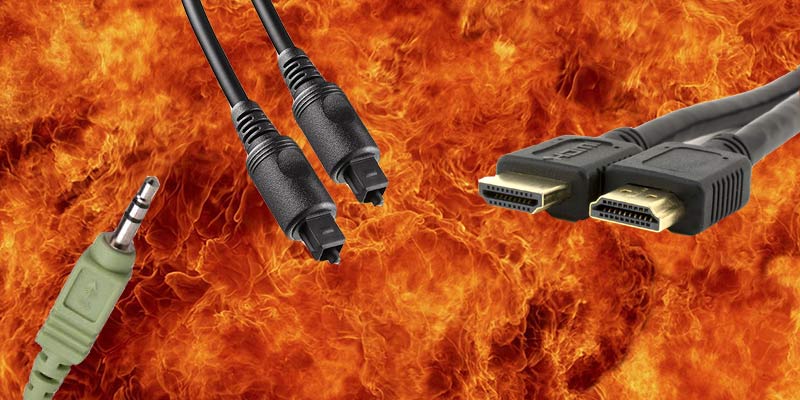

The saying “classics never die” isn’t something applied often to electronic cabling. Sure, golden oldies like the Figure 8 cable and the Kettle Lead stick around forever, but with cabling where modernization gives big boosts in quality or speed, such as video and USB cabling most notably, things depreciate much faster.
That hasn’t quite happened with audio cables, where seemingly ancient formats like 3.5mm and optical audio continue to kick around even in modern devices. But given the option, should you use one of these or the newer HDMI audio formats? We’ll explain all formats here so that you can make an educated choice.
Analog (3.5mm/Aux) Explained
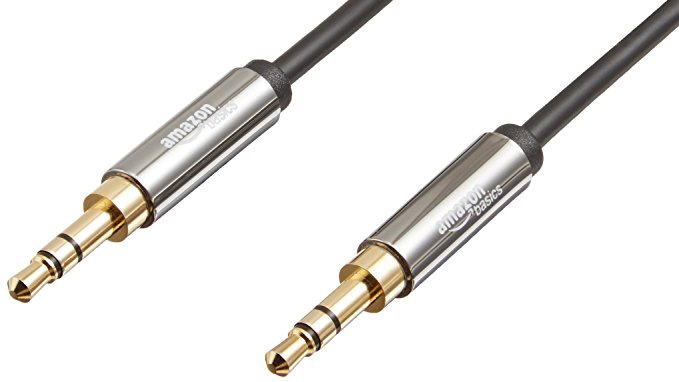
Probably the most common audio cable format used to this day, you’ll find analog cabling in everything from PC speakers connected via that lime green 3.5mm dongle to headphones plugged into smartphones.
Audio signals in analog cables are transmitted via electricity and are limited to transmitting two-channel stereo sound. If you have a trio of 3.5mm cables bundled together, you can mimic 5.1 surround sound using something called “6-Channel Stereo,” but this will be far inferior to what you can do with digital.
Theoretically, analog audio cables are also subject to radio and electrical interference just by being shoved and moved around, though if you have a smart cable setup, this shouldn’t be a problem.
Also read: What Is a DAC and How Can It Improve Audio Quality?
Digital Audio (Optical/Coax) Explained
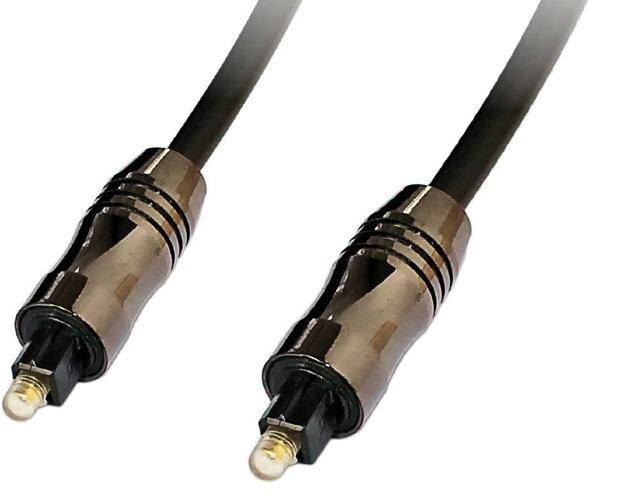
The best way to describe optical audio (which uses the S/PDIF interface to transmit data) is that it sends the sound signal digitally via fiber optic cables, using light in a plastic or glass tube to carry its signal rather than copper wiring.
Technically, comparing this to analog is like comparing HDMI (digital) with VGA (analog) video cables.
The main benefit of digital audio cables is 5.1 surround sound and support for established Dolby formats like Dolby True Surround and Dolby Digital. If, for instance, your speakers support Dolby True Surround but you don’t have a dedicated sound card in your PC, then an optical cable essentially transfers the sound encoding over to your receiver, potentially offering you – for example – 5.1 surround sound that you couldn’t otherwise get on your PC.
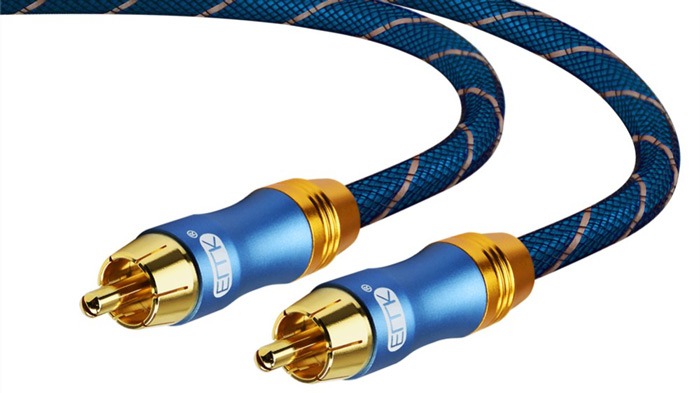
The less common coaxial cables, meanwhile, use the older-style RCA ends while still delivering a digital signal. You’re much more likely to use them with AV equipment than PCs, and they’re capable of audio bandwidths of up to 192 kHz, as opposed to the 96 kHz in optical cables (though it’s often questioned whether this really offers audible sound benefits over lower frequencies).
HDMI Explained
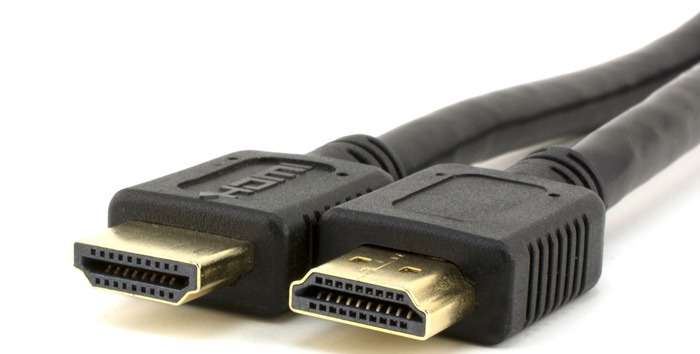
And we finally arrive at the cream of the crop – the HDMI cable. Even though you probably associate it with high-resolution video more than audio, it’s also your best bet for sound. It supports the latest lossless Dolby sound formats like Dolby TrueHD and DTS HD Master Audio that are widely used on Blu-Rays.
It also supports Dolby Digital Plus, Dolby Atmos (recently added to Netflix), and has the highest bandwidth of any cable around. This is what allows HDMI cables to deliver 7.1 surround sound, as opposed to 5.1 on optical cables.
HDMI transfers audio digitally, and at the best of times it can do so without compression at up to 192 kHz sample rates. Where digital cables can carry just two channels of uncompressed PCM audio, HDMI 1.4 can carry eight channels, and HDMI 2.0 is capable of 32 channels. Whew!
Another thing to look out for is HDMI ARC. The “ARC” part here stands for Audio Return Channel and is usually found on TVs. If you connect an HDMI-compatible audio receiver to your TV through this port, that audio receiver will work for every device on the TV and can be controlled from your TV remote using a technology called CEC (Consumer Electronics Control).
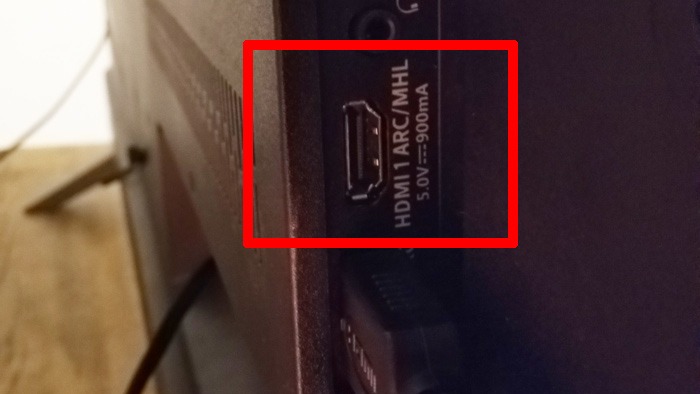
A downside to ARC is that for the most part it doesn’t support lossless audio formats like Dolby Atmos and True HD. The current rendition of HDMI Arc is functionally superior to optical cables, though the next iteration, eARC, will take full advantage of the HDMI format’s capabilities.
Best of all? You probably have a spare one in a drawer somewhere just waiting to be used!
Conclusion
If your speakers, PC, receivers or TV have both optical and HDMI ports, then it’s pretty much always worth using the HDMI option. HDMI is just as robust an audio format as it is a digital one, and it’s increasingly looking like all our devices will be joined under the HDMI banner without the need for different cables for different jobs.