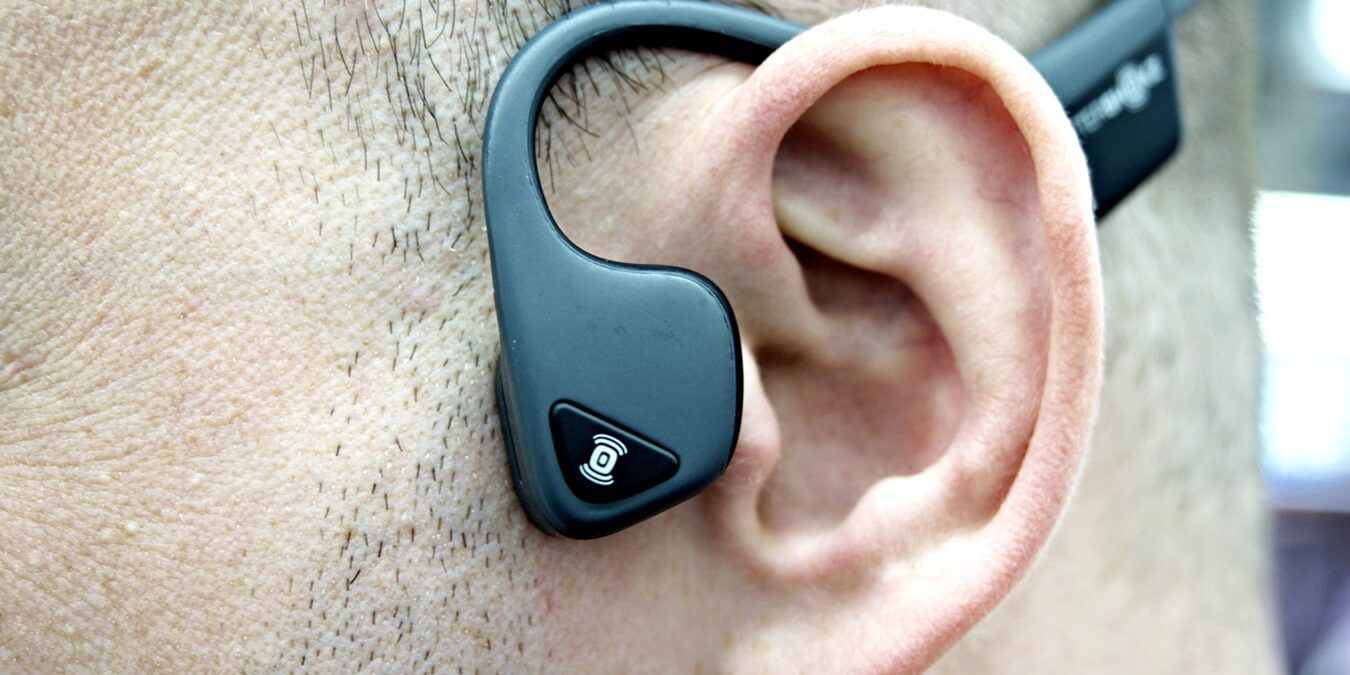
Bone conduction headphones have been gradually garnering attention among consumers in recent years. This surge in popularity can be attributed to their distinctive and futuristic design that allows the wearer to remain aware of their surroundings when outdoors. While these audio devices have undeniable appeal, there have been some concerns regarding their safety, especially with long-term use. This guide answers the question, “Are bone-conduction headphones safe?”
Good to know: did you know that you can use your own headphones for in-flight entertainment? We explain how to take advantage of this.
Assessing the Safety of Bone Conduction Headphones
Assessing the safety of bone conduction headphones can be a tricky affair. Bone conduction principles have been used to create rudimentary hearing aids since the 15th century. Beethoven is one of the more notable users of the bone conduction method, employing it to lessen the impact of his hearing impairment.
Yet, interpreting this long history as conclusive evidence that bone conduction technology is entirely safe and will not lead to further hearing loss is not advisable. Modern companies manufacturing bone conduction equipment often highlight its safety, but it’s important to approach these claims with caution.

From at least one perspective, you can consider bone conduction headphones as safe. The unique open-ear design enables users to remain aware of their surroundings. This is a crucial aspect if you’re considering buying bone conduction headphones for outdoor activities, as they would enable you to stay alert to warnings and other potential dangers.
However, since the headphones do not cover a user’s ear, you can easily assume that the risk of hearing loss is not as significant as it would be with traditional headphones. Read on to learn how inaccurate that is.
Before proceeding to the next section, consider checking out our previous guide that explains how bone conduction headphones work. This will provide you with a clearer understanding of the technology.
The Cons of Bone Conduction Headphones
There is a range of side effects you could experience when using bone conduction headphones.
Sensation of Discomfort
Individuals may experience discomfort when initially using bone conduction headphones. The vibrations produced through bone conduction could be perceived as unusual and uncomfortable, particularly when the volume is set to higher levels.
Factors such as the fit of the headphones, the duration of use, and individual sensitivity can contribute to the discomfort and occasional headaches. Since individual experiences vary, the occurrences of these side effects differ from person to person. If you are susceptible to headaches, it’s essential to be mindful of the potential for discomfort before deciding to purchase a pair.
Tip: is only one side of your headphones working on your PC? Find solutions to this in our guide.
Vertigo and Dizziness
As the vibrations of the headphones stimulate the vestibular system, responsible for balance and equilibrium, some users could experience temporary imbalance. This may manifest as sensations of dizziness or vertigo. In general, the risk of encountering these issues is low. It is more likely to affect people who already have vestibular problems and sensitivities.

If you are concerned that it may happen to you, start by using the headphones for a short period of time, and gradually increase the duration as your body adjusts. Also ensure that your headphones fit properly to avoid excessive pressure on your head.
Skin Irritation
Surprisingly, using bone conduction headphones can cause skin irritation in some cases. This is more likely to affect people who have sensitive skin or allergies to the materials used in the headphones. The vibrations created by the headphones can also cause sweating, which can exacerbate skin irritation.
To prevent the onset of skin irritations, opt for headphones made from soft and breathable materials. Additionally, consider applying a thin layer of anti-chafing cream to your skin before putting them on.
Hearing Loss
Since bone conduction headphones don’t block the ears, they’re often viewed as superior alternatives to over-the-ear headphones. Unfortunately, that’s not really the case.
CDC guidelines state that prolonged exposure to loud sounds can cause damage to the cochlea in the inner ear and lead to hearing loss. Given that bone conduction headphones operate by transmitting vibrations to the inner ear, there is a potential risk of hearing loss.
Tip: learn how to make your headphones louder from any device.
Lower Audio Quality
If you care about audio quality, you may want to stay away from bone conduction headphones, as they tend to offer inferior sound, especially for bass-heavy music. As bone conduction technology bypasses the eardrum and directly stimulates the inner ear through vibrations in the bones, the low-frequency response can be less pronounced.

Additionally, those nearby could hear what you’re listening to, as the vibrations create audible sound waves outside the ear. Maintain a medium volume to avoid sound leakage.
No longer want to get bone conduction headphones? Consider these other types of headphones instead.
The Pros of Bone Conduction Headphones
Bone conduction headphones do have some advantages over normal models, as explored below.
Safety
As mentioned earlier, bone conduction headphones could be the preferable option for those living in an urban environment and frequently using headphones during outdoor activities. Due to the design that doesn’t seal the ear canal, users can remain aware of their surroundings, including passing cars and other potential dangers.
Suitable for People with Hearing Impairments
Bone conduction headphones are a practical option for individuals with hearing loss who rely on hearing aids. Unlike traditional headphones, bone conduction models do not disrupt or displace hearing aids.

Moreover, this technology can offer advantages for individuals with unilateral deafness, enabling them to experience stereo sound, something not attainable with standard headphones.
FYI: learn how to clean your earbuds and headphones safely.
Are Bone Conduction Headphones Safe to Use?
While using bone conduction headphones comes with potential disadvantages, following recommended guidelines should ensure their safe use.
Similar to traditional headphones, excessive use of bone conduction headphones can lead to physical discomfort and hearing damage. Exercise caution and regular breaks to safeguard your wellbeing. It’s also very important to prioritize your hearing health by maintaining a moderate volume level, especially during extended listening sessions.
Finally, ensure that the headphones are securely and comfortably placed on your head to optimize performance and minimize pressure points.
Tip: your headphone driver affects audio quality. Learn more about this essential headphone component.
If after reading all of this, you’ve decided to stick with traditional headphones, you may be interested in taking a look at the best budge noise-canceling pairs. If you think bone conduction headphones could be a good fit for you, check out our list of the best models available to buy today.
If you’d like to get started right away with bone condition headphones and struggle with fit because you have a smaller head, check out the SHOKZ OpenRun Pro Mini Bone Conduction Sport Headphones. They’re perfect for people whose back of their head measures 9.25″ or less.

These headphones won’t fall off because of poor fit and will stay put during your workout, thanks to the Shokz headband. Enjoy premium audio with Shokz’s TurboPitch technology, which delivers a clear, powerful sound with a rich bass. You’ll get 10 continuous hours of music, calls, and podcasts, and just five minutes of a quick charge can provide another 1.5 hours.
Save $40 and pay just $139.95 on these bone conduction headphones. If you think they may be too small for you, opt for the SHOKZ OpenRun Pro for the same price.
Image credit: DepositPhotos