

One of the largest spaces for competitiveness in tech is in the area of shopping. Amazon may have started out as a bookseller, but they’ve come to be known as THE place to go for buying nearly anything online. This leads everyone to want to compete with them.
But they want to encroach into everyone else’s spaces as well, so they launched Spark two years ago to sell things in an Instagram-type format to compete with Instagram’s sales. They have now shut down Spark but are replacing it with similar shopping tools.
Amazon Spark Shuts Down
Spark was an image and story feed that was marketed toward Amazon Prime members to “spark” their interest in other items to encourage more sales.
True to the Amazon brand, Spark was focused on shopping and making a sale, and that’s where it differed from Instagram. While Instagram can allow users to sell their wares via the service and even added a checkout option a few months ago, they also encourage the social aspect with follows, likes, etc., and that’s a space that Spark never entered.
Sure, Spark may have copied Instagram’s advertising look, but that was really as far as it went. Sellers didn’t pick up fans of their work and buyers weren’t able to follow sellers whose work they particularly enjoyed.
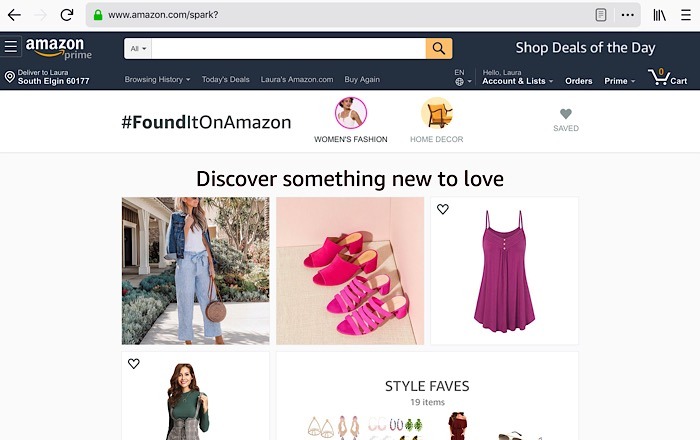
When you go to the prior URL for Spark, it now redirects you to the Found It on Amazon site. This service is similar to another Amazon shopping tool, Interesting Finds. This tool shows you a “My Mix” of products in different categories, encouraging you to “heart” what you like.
Personally, I prefer the front page I get when I sign on to Amazon that shows deals in categories I have shopped in previously while also showing me all the products I’ve browsed before. This is always a more interesting mix to me, as it has not only what I’m personally shopping for but items I’ve been researching for Make Tech Easier
TechCrunch reports that the Found It on Amazon site will not incorporate what worked with Spark and Interesting Finds, yet Interesting Finds is not shutting down.
Shopping Evolution Continues
Perhaps a very large reason is the departure of Chee Chew, the Amazon VP of Consumer Engagement who left at the beginning of the year. He was a big part of Spark, and its success stalled even further after he left.
But this leads to the question of whether there will now be an empty space in online shopping without Spark. It also leads to the question of what Chew’s departure will mean to the overall success of Amazon.
Has Amazon stretched themselves too far? Should they have stuck to their own lane? Despite Spark never really catching on anyway, will their business be affected in some way? Will this bolster Instagram’s shopping choices?’Let us know what you think about this in the comments below.