

We know you’ve got at least a little bit of geek in you because you’re reading our tech blog. How about turning back the clock and learning how far we’ve come with technology? Here are seven wonderful (and free!) documentaries we’ve personally selected on the history of computing. They’re all available to download and/or watch online.
1. The Computer Programme
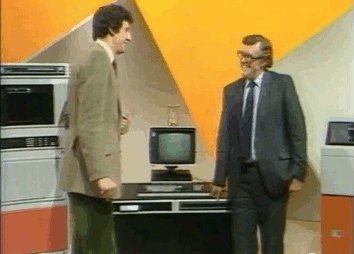
The BBC produced this documentary back in 1982, when personal computers for the masses were little more than a burgeoning fantasy. It is four hours long and covers pertinent topics of the time such as computers in the industrial world, databases, the basics of the BASIC programming language, and how computers can help people increase their efficiency with formerly time-consuming tasks like keeping track of small business sales.
Although end-users in today’s society are accomplishing considerably more complex tasks than the ones described in “The Computer Programme,” we can still learn quite a lot about how computers actually work from this documentary.
Watch “The Computer Programme” now
2. Hackers 95
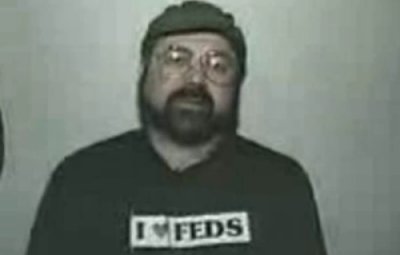
Not to be confused with the 1995 feature film “Hackers” (you know, the one with all those cheesy green-on-black special effects), “Hackers 95” is a documentary – also from 1995, if you didn’t guess that from the title – that’s chock full of interviews with influential, pioneering hackers.
“Hackers 95” broaches subjects that are still relevant to today’s hackers, including communication over IRC, telephony, surveillance, Defcon, and the freedom of information in general.
3. Triumph of the Nerds: The Rise of Accidental Empires
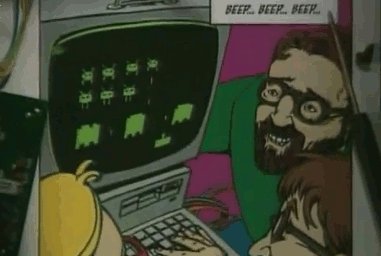
“Triumph of the Nerds” chronicles personal computing from the ’70s through 1996, when the film was made. Just five minutes into this documentary, we can tell it’s pretty dated because the narrator refers to nerdhood as just for boys! Personally, I beg to differ — but I digress. If you can overlook the sexism, this film is a very interesting piece of history.
Most notably, it features extensive interviews with computing giants such as Microsoft founder Bill Gates and Apple’s late Steve Jobs. “Triumph of the Nerds” covers historical milestones from the first personal computer, the Altair 8800 in 1975, to the first spreadsheet application, VISICALC for the Apple II in 1979, to the beginnings of DOS (which rose from the ashes of the operating system CPM) and Windows.
Watch “Triumph of the Nerds” now
4. Nerds 2.0.1: A Brief History of the Internet
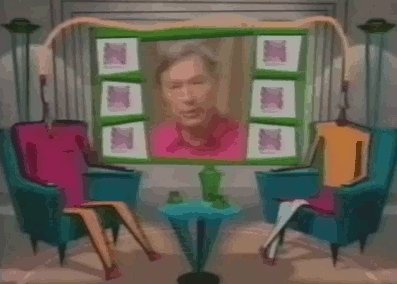
“Nerds 2.0.1” is a sequel and companion piece to the previous entry on this list, “Triumph of the Nerds.” Made just two years later in 1998, “Nerds 2.0.1” came out in the prime of the dot-com bubble. It traces the origins of the Internet back to ARPANET and bulletin board systems (BBS).
5. Download: The True Story of the Internet
“Download” is a four-part Discovery Channel series that first aired in 2008, a decade after “Nerds 2.0.1” was released. By this time, most people were already referring to the Internet as “the Web” rather than “the Net.”
This film explores the browser wars (which started with Mosaic, the first graphical Web browser), modern search engine technology, the dot-com bubble, peer-to-peer file-sharing, and the social Web.
6. Revolution OS
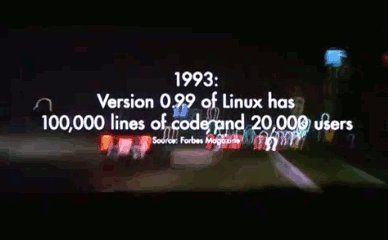
If you’re of a counter-cultural mindset, you may have noticed the conspicuous absence of one thing from the documentaries listed above: Linux! Don’t worry, though; we won’t leave you deprived.
“Revolution OS,” from 2001, follows the history of GNU/Linux and free software back to early hackers and now well-known figures like Richard Stallman and Linus Torvalds. This documentary, while clearly biased against proprietary software (using dramatic, sinister music to accompany the reading of an early anti-piracy letter from Bill Gates), is a must-see for Linux and open source enthusiasts. The emphasis is on free speech, not free beer.
7. Steal this Film
“This is not a film about piracy,” begins Part II of “Steal this Film” (released in two parts between 2006 and ’07). “This is not a film about sharing files. It’s a film exploring massive changes in the way we produce, distribute, and consume media.”
Being as objective as I can, I must comment that this film does have a lot to do with piracy and file-sharing — but no, those are not the main ideas it stands for. Rather, “Steal this Film” presents a compelling case for the free distribution and consumption of media. Anyone interested in intellectual copyright law should check out this Swedish film as a valuable artifact of our changing times.
Download “Steal this Film” via BitTorrent now
Final Thoughts
While they are documentary-style shows rather than documentaries, I can’t omit Computer Chronicles and Net Café from this article. Both shows were future-oriented looks at computing spanning the 1990s (in the Computer Chronicles’ case, the ’80s as well) through the early 2000s. Definitely check these shows out if you want to see the “Virtual Hand” from 1992 and the online UFO fanaticism of 1996.
Tell us in the comments about the tech documentaries that have brought you to nerd-vana! We’d love to hear your suggestions.