

We live in a golden age of television hardware. The number of pixels and the size of your screen real estate reign supreme. While a 4K TV sounds great, and an 8K even better, is that really what you need? If you’re looking to upgrade your TV, read on to learn why 4K TVs aren’t for everyone.
Not All Content Comes in 4K
While a TV may boast a whole slew of features that boast superior image quality, the image quality that your TV is able to produce is dependent on the source of the image. For example, if you’re watching broadcast or free-to-air television, the quality of the image you see will be limited by the source signal. Most channels only broadcast content in standard and high-definition resolutions, so if you’re watching a 720p broadcast on a 4K or 8K TV, you’ll see the same quality image as someone with only a 1080p panel.

Even if you have a 4K TV that’s capable of upscaling, it can’t take a standard definition broadcast and magically make it 4K. Lower resolution images look terrible on higher-resolution TVs because the image can’t fill in all the pixels, so upscaling attempts to fix this. However, while upscaling can certainly improve the image, it can’t match the quality of native high-resolution content, like a Blu-ray.
Internet Speeds May Limit Video Quality
You could pay extra money for 4K Netflix, but are you really getting 4K content? Maybe. It all depends on whether your Internet speeds can handle the bandwidth necessary to stream in ultra-high resolution.
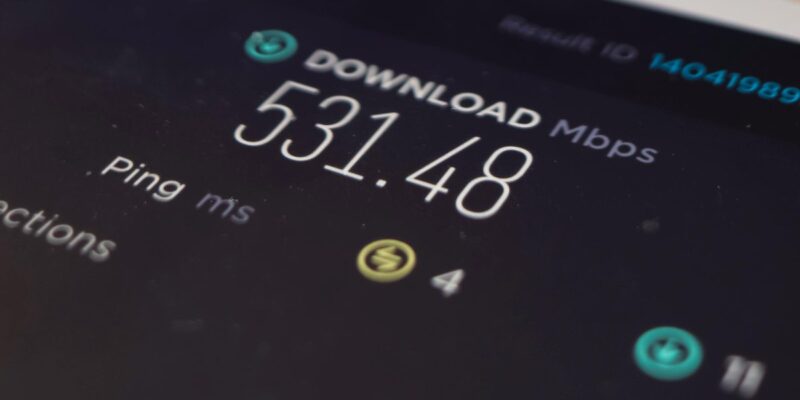
It’s important to remember that streaming services will always prioritize uninterrupted playback as opposed to buffering. You may pay for 4K content, but if your Internet connection can’t support it, the platform will often bump down the resolution to avoid stuttering playback.
Screen Size and Viewing Distance Play a Role
When you increase the screen size yet keep the resolution the same, the number of pixels per inch (PPI) decreases, resulting in a decrease in image sharpness. Ultra-high resolutions may not be noticeable on smaller screens, but on larger screens, the additional pixels afforded by ultra-high-definition TVs create a crisper picture. The general rule of thumb appears to be that any TV with a panel 50 inches or above should be 4K or better.
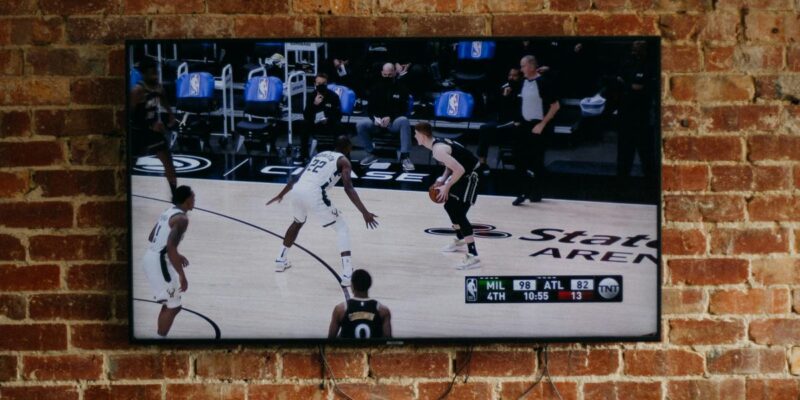
How far away you are from the screen will also have an impact on the perceived clarity of the image. Generally speaking, a smaller screen at a lower resolution, like 1080p, may be sufficient for a smaller space. However, the closer we are to the screen, the easier it is to pick out individual pixels. Sitting closer will allow you to see all the detail that a 4K TV is capable of. If you’re still unsure about viewing distance and screen size, check out this easy-to-use calculator to help you decide.
Display Type and Other Components Also Matter
While resolution may be the easiest feature to wrap your head around, there is a lot of nuance when it comes to TVs. Varying technologies are integrated into a new TV – impacting your viewing experience and perceived image quality. For example, an OLED 4K TV and a standard LED 4K TV have the same resolution. However, OLED panels feature pixels that light up and shut off individually, allowing more granular control over the brightness and color saturation. This results in a superior image quality.
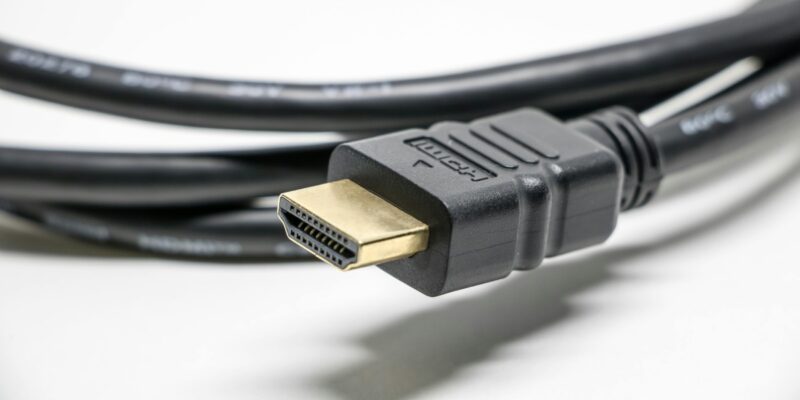
Additionally, a TV that supports HDR can make a big difference, as it expands the range between the lightest and darkest parts of an image, giving it more depth. Finally, remember that not all HDMI cables are made equally. If you opt for a 4K TV, you’ll want to upgrade your cables as well. High-speed HDMI cables support faster refresh rates, suitable for ultra-high definition content. Furthermore, newer HDMI standards like HDMI 2.1 support higher frame rates and advanced audio formats.
When 4K (or Better) Actually Makes Sense
Streaming
As mentioned earlier, the quality of the source is the number one factor in image quality. Unfortunately, broadcast and cable TV, many streaming video platforms offer content in 4K, HDR (High Dynamic Range), and sometimes even 8K.
Gamers
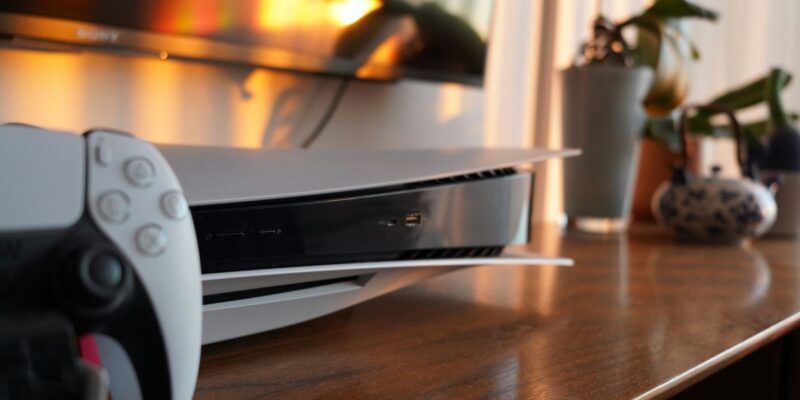
People who use their TV for gaming, especially on next-gen consoles like PlayStation 5 or Xbox Series X, stand to benefit from 4K TVs. In addition to support for 4K resolutions, a slew of other top-end features can take gaming to the next level, at least visually. Higher-end TVs often boast faster refresh rates that can make games run smoothly and seamlessly. Furthermore, faster refresh rates minimize input lag.
Cinephiles
High-end TVs with superior resolution, OLED or QLED panels, High Dynamic Range and Dolby Atmos or DTS:X sound can provide an immersive viewing experience that can have a cinema-like experience at home. But again, remember that your image quality is largely dependent on the source, so you may want to go with physical media, such as Blu-ray.
Alternatives to 4K for Everyday Television
Today, 4K TVs are virtually ubiquitous. Head to any brick-and-mortar retailer, and you’d be hard-pressed to find a TV that didn’t boast a 4K panel. But if you don’t see the point in higher-end televisions, it’s still possible to find Full HD TVs.

Many manufacturers make smaller TVs that only have 720p or 1080p panels. Furthermore, budget conscious brands like Spectre, Insignia, Westinghouse and TCL still manufacture Full HD TVs in various sizes. Unfortunately, you will probably only find these models online.
TV technology will always be ahead of the curve in terms of practicality. Ultimately, it’s likely that your TV is going to be capable of things you won’t take advantage of. However, with TVs being relatively affordable, you may stand to benefit from a 4K TV, though it may not be from the moment you take it out of the box.
Image credit: Pexels